

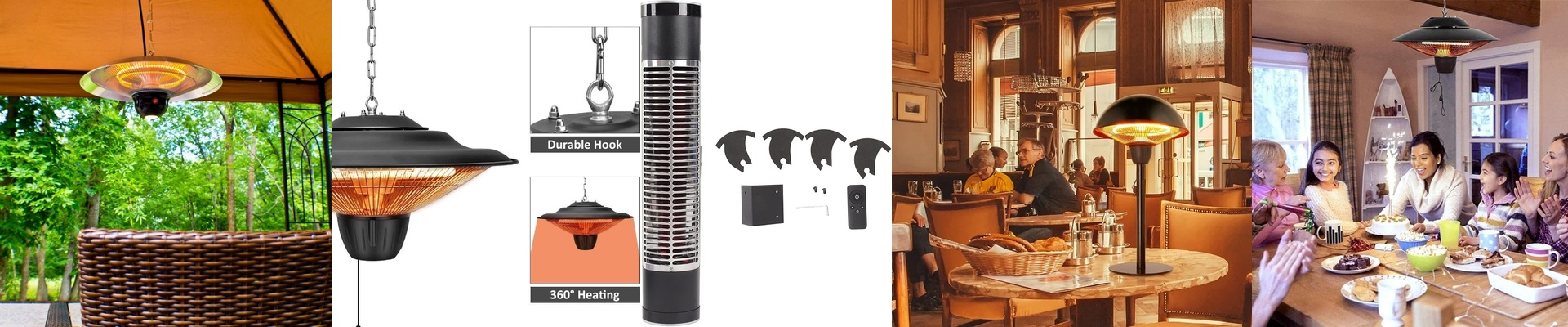


Why You Need Explosion-Proof Quartz Heaters for Wet Spaces
If you’re putting heaters in a pergola or a bathing area, you’re basically inviting a fight between fire and water. High humidity and random splashes are just part of the deal. The problem is that standard infrared lamps are fragile. One cold drop of water hitting a scorching hot bulb?**Crack.**Then you’ve got a short circuit and a ruined afternoon. That’s why we stick with explosion-proof quartz tubing.
How it actually works
Think about the physics for a second. A standard glass tube can’t handle the shock of a cold droplet hitting a surface that’s 600°C. It just gives up. Quartz is different. It doesn’t really expand or shrink when the temperature swings wildly. It just takes the hit and keeps going. Plus, these tubes are sealed tight. This keeps the moisture away from the tungsten filament inside. If water gets in there, you get a blowout. By keeping the vacuum or halogen gas locked in, the filament lasts way longer and doesn’t burn out the moment things get damp.
Getting it installed
You’ll want to wire these based on how wet your specific zone gets. Most of them run on standard AC voltage, but they pack a punch in terms of heat density. Because the quartz is so pure, the heat goes straight to you. You aren’t wasting energy trying to warm up the air around you—which is pretty useless outdoors anyway. You just feel the warmth immediately.
The honest truth about maintenance
Look, nothing is totally maintenance-free. The quartz is tough, but your housing and wiring need to be just as rugged. If you use cheap connectors, the quartz tube will probably outlive the wires. That’s a headache you don’t want. Also, make sure your circuit breakers can handle that initial surge when the lamps kick on. Otherwise, you’ll be tripping the power every time you want to get warm. One last tip:**keep the tubes clean.**Dust builds up, creates hot spots, and eventually wears down the quartz. A quick wipe-down every now and then keeps everything running smooth.