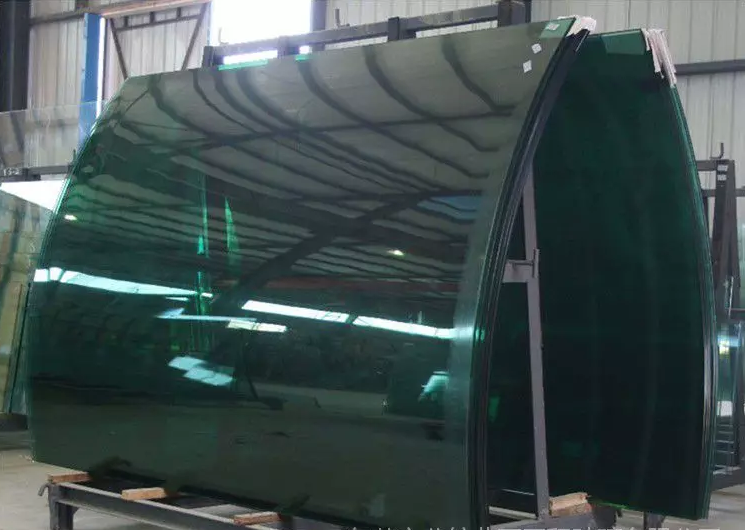
Out on the line, the glass just sits there, waiting for heat that has to come fast, even, and the same every time. If that thermal profile starts to wander, you pay for it—edge stress, optical distortion, or a lamination void that only shows up after autoclave. Halogen infrared lamps were built to keep that control where it matters: in the tempering furnace, at the bending station, and across the lamination pre-heat zone. Halogen infrared dumps energy straight into the glass with very little convection, so the surface gets hot quickly and the bulk catches up. We tune filament temperature and the quartz envelope to match the emissivity of coated and clear glass, which gives you a predictable spectral output that can get through thin layers without scorching films or cooking the tooling. The payoff is a tight thermal field that keeps curvature consistent, tempering compressive stress predictable, and ramp-up between cycles faster. So what does that look like on a shift? Shorter heat-up windows and better control during the dwell. You can run more changeovers without losing repeatability, and you cut scrap that comes from uneven heating. Energy use drops, too, because the lamp heats on demand instead of keeping the whole chamber soaked. And they drop right into existing mounts and electrical interfaces, so you can swap out aging modules without re-engineering the machine. Installation is simple enough, but alignment is not optional. Reflectors and lamp position have to be set so irradiance stays even across the width of the glass—otherwise you’ll see banding and thermal stress right at the edges. Just expect lamp life to shorten if you run at sustained high power, or if the shop air is heavy with dust that coats the quartz. Keep the optics clean, keep the voltage stable, and stick to scheduled replacements. That’s how you keep the process window nailed down.