
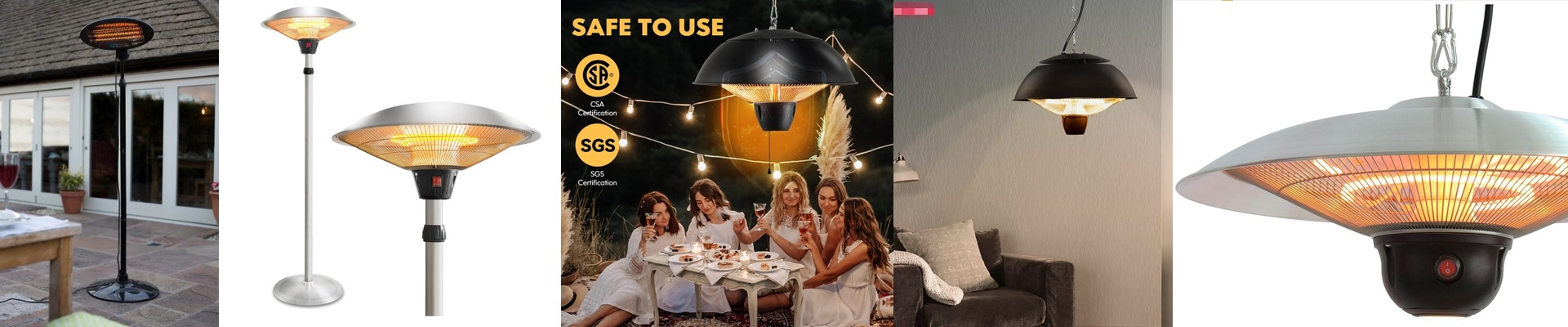
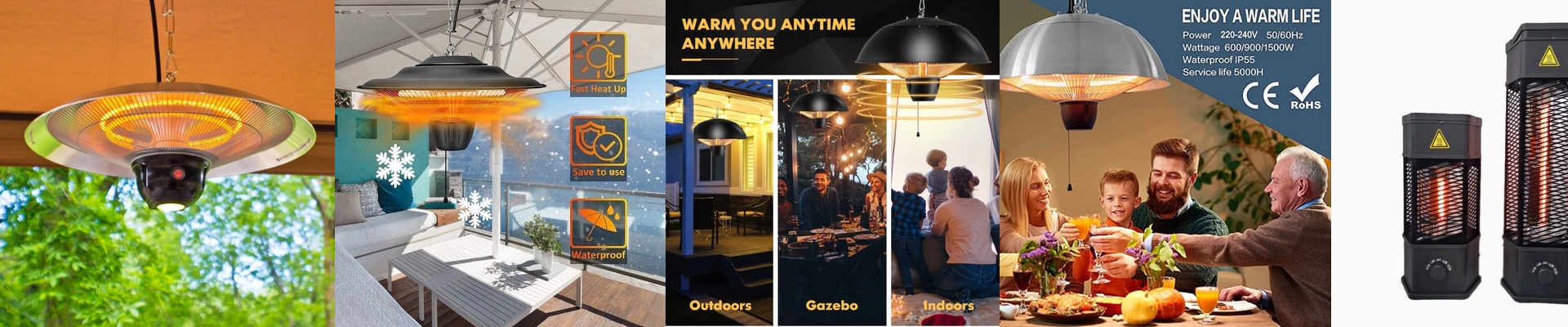


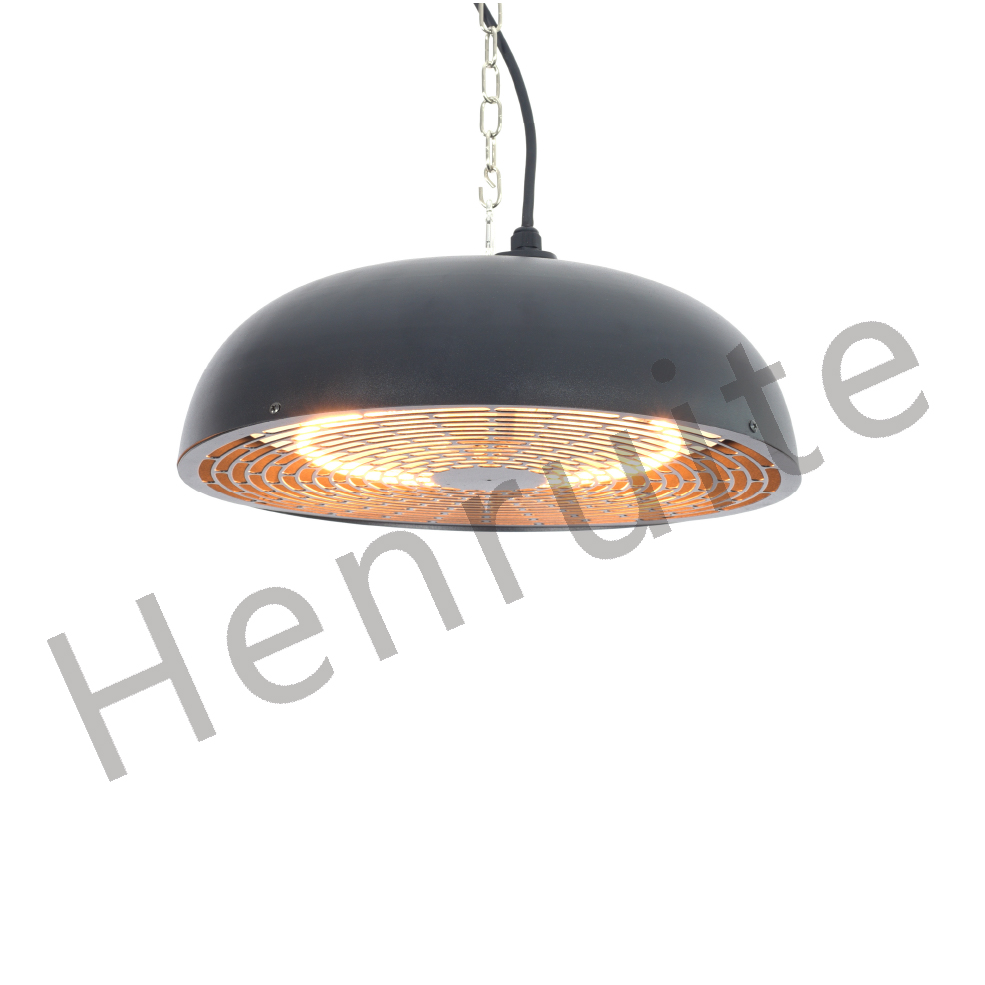
Why you should swap those old bathroom heat lamps for IP65 infrared elements
We’ve all been there. You step out of a hot shower into a freezing bathroom, and that old “light-warmer” in the ceiling is barely doing anything. Most of those traditional lamps just aren’t built for the steam and humidity of a real bathroom. That’s why more people are moving toward IP65-rated infrared elements. It’s not about making the ceiling look fancy. It’s about keeping the water out and the electricity safe. What’s the deal with “IP65”? Basically, it means the unit is sealed tight. No dust gets in, and water jets can’t penetrate the housing. Think about all that steam and the occasional splash that happens in a bathroom. In a standard heater, that moisture sneaks in, hits the terminals, and causes a short circuit. Or worse, it leads to corrosion that kills the element way before it should. An IP65 seal stops that from happening. It keeps the guts of the heater dry, which means it actually lasts. The magic of infrared Here is the real difference: old-school lamps try to heat up the air in the room. That takes forever. Infrared is different. It sends out shortwave radiation that hits your skin and the surfaces around you directly. You feel the warmth the second you flip the switch. No waiting around for the room to warm up. We use high-purity quartz tubes for this. They handle the intense heat much better than regular glass, so they don’t crack or wear out under pressure. Getting them installed (and a few warnings) If you’re replacing an old unit, dropping in an IP65 infrared element is usually pretty straightforward. The footprint is smaller, the wiring is simpler, and the heat is almost instant. But, a quick heads-up on your wiring. These elements pull a lot of current because they’re high-wattage. If your home’s wiring is old or undersized, you might notice a dip in power or—more likely—you’ll keep tripping your breakers. Just make sure your circuit can actually handle the load before you plug them in. One last thing: these units are tough, but they aren’t immortal. Every few years, take a look at the seals. If a gasket gets brittle or cracks, that IP65 protection is gone, and moisture will find its way in. Keep those seals tight, and your heat will keep running.