

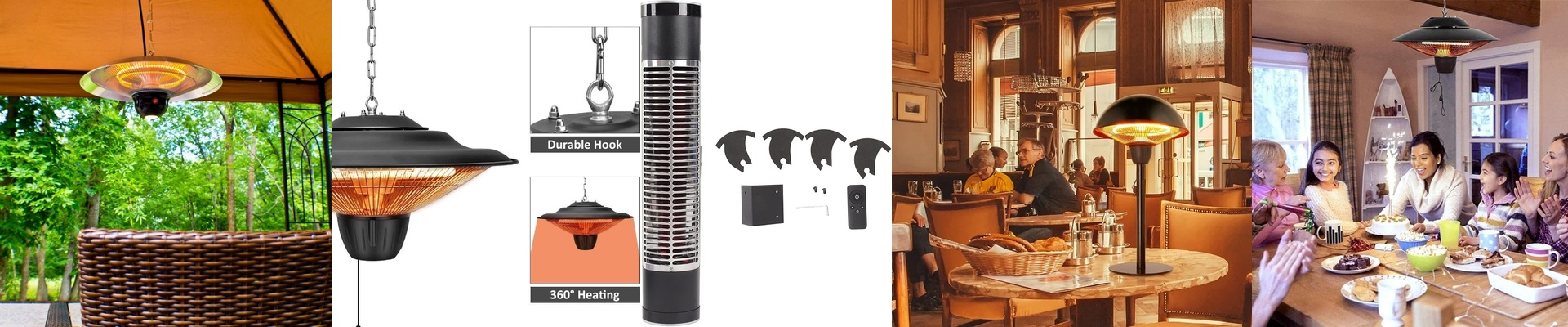


Keeping Bathrooms Warm Without Blinding Your Kids
Putting an infrared heater in a bathroom ceiling sounds simple, but it actually creates a bit of a headache for us. You want that instant, cozy heat, but you can’t have a lamp that’s so bright it hurts your eyes—especially when you’re bathing a baby who’s looking straight up. Here’s how we handle it. The trick with the light Most standard IR lamps are blinding. They throw off this harsh, white light that feels like staring into a spotlight. To fix that, we don’t just use plain glass. We use specialized coatings or “doped” quartz. Think of it like a pair of sunglasses for the heater. It filters out the glare and the UV rays that strain your eyes, shifting the energy into waves that your skin can actually feel. You get the warmth, but you lose the blinding flash. What’s under the hood Inside the unit, we use high-purity quartz tubes and a tungsten filament. Why? Because it heats up fast. Nobody wants to wait ten minutes for a bathroom to get warm. To keep things tidy, we use compact connectors that can handle a lot of power without melting the plastic housing. We also add a gold-plated or polished aluminum cone. It acts like a megaphone for heat, pushing everything straight down toward you instead of wasting it on the ceiling. The trade-offs Now, nothing is perfect. When you add a filter to protect your eyes, you lose a tiny bit of efficiency. It’s not a huge deal, but it means the lamp might not hit peak temperature quite as fast as a raw, uncoated tube would. That’s why we spend so much time picking the right wattage—usually between 250W and 600W. If we just cranked the power to make up for the filter, you’d probably trip your circuit breaker or melt your fixtures. It’s all about finding that sweet spot where it feels warm and inviting, but stays completely safe.