



We built this line of 12V and 24V electric heaters for engineers who want precise, localized heat—without the headache of running high-voltage lines out to the machine. Here’s the thing: the voltage is the whole point. You get a straight choice between 12V or 24V, so you can wire straight off a control transformer or a mobile power unit. It keeps your control circuits clean and cuts down on field wiring mistakes.
Power, voltage, and size—kept simple
These heaters pack a lot of heat into a small footprint. And because the voltages match standard industrial control levels, you can match the unit to the panel or station you’re building. The dimensions were chosen for tight spots—machine enclosures, nozzle blocks, small heating chambers. Even in those cramped places, there’s enough surface area to transfer heat reliably.
The guts: halogen, quartz, and solid connectors
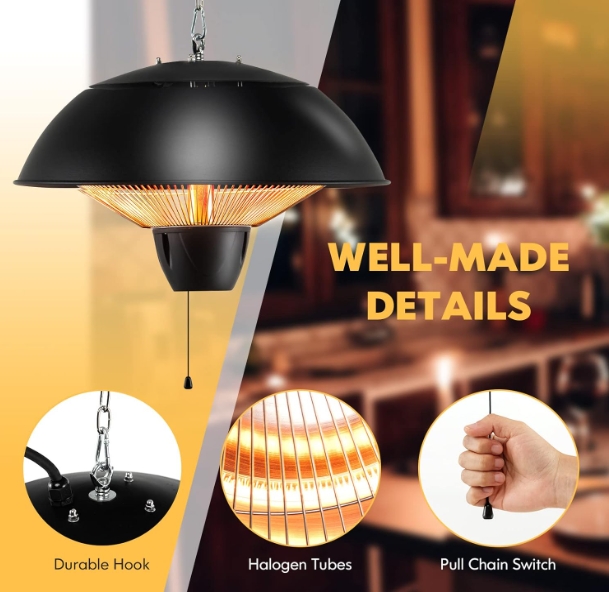
Inside, you’ve got a halogen element inside a quartz envelope. That combo means fast response and steady output. Quartz also handles thermal shock better than glass when you’re cycling the heat on and off. The coating is tough enough to resist contamination and stand up to process fumes and dust, so the element stays protected. And for installation, the connector options are straightforward: R7s and Sk15 types. They give you a secure, low-resistance connection that can be swapped quickly on the line.
Where it shines—and what to watch for
You’ll see these heaters used anywhere you need fast, focused heat—plastic heating blocks, adhesive curing, component drying. The low-voltage design makes integration easier and improves safety inside control panels. But there’s one trade-off: with high heat density, you’ve got to manage cooling and clearance. Keep airflow and spacing in mind, or the parts around it will run hotter than you planned.