


For off-grid homes, winter isn’t about whether you can get warm—it’s about whether the sun banked enough energy to carry you through the night. One cold snap turns a quiet evening into a race between battery charge and heat demand. When you’re making your own power, you need heating that works with your setup, not against it.
What matters, technically
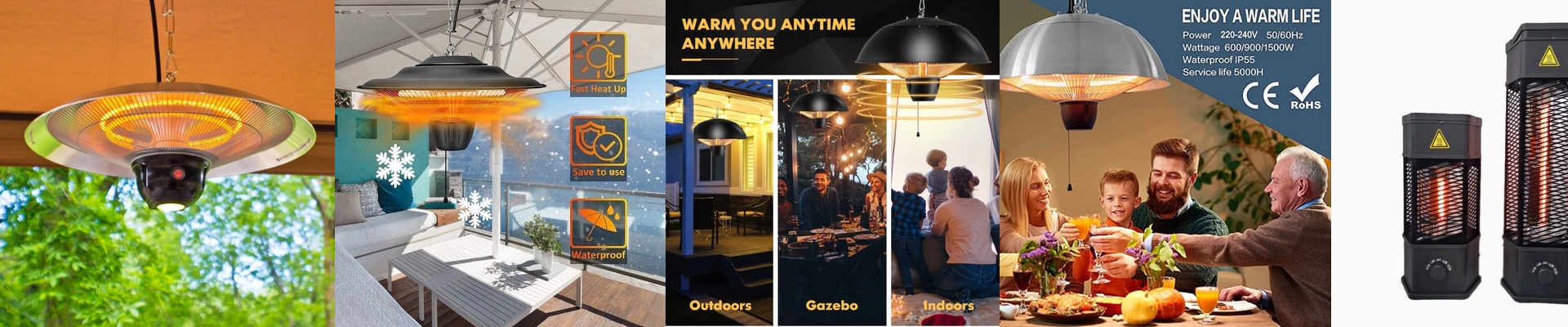
An ERP-compliant infrared heater is built around efficiency and control. It doesn’t warm air; it delivers radiant warmth that heats people and surfaces directly, so comfort hits you faster. In practice, that means less wasted heat rising to the ceiling and less energy spent keeping the room “at temperature.” Many models run on 230V, draw a predictable load, and play nicely with inverters and battery banks. The key is matching wattage to room size and your solar PV output. A 1.5–2.0 kW unit can make a real difference in a small to medium living space, and still stay within what a well-sized off-grid system can support.
Why this works for off-grid
Paired with a solar PV setup, infrared heating shifts the goal from total electric self-sufficiency to smart, manageable energy independence. Radiant heat keeps core spaces comfortable without heating the whole volume, which helps cut evening peak demand. Because infrared warms objects and people, you can run the heater only when you need it and still feel the benefit quickly—less runtime, less drain. For many off-grid households, that translates to a noticeable reduction in nighttime battery draw, moving the system closer to year-round balance.
The details that make or break it
Solar compatibility comes down to the specifics: inverter capacity, battery chemistry and usable capacity, wiring, and how you set the thermostat. Size the heater to the room and the PV system to the seasonal load, or you’ll spend the season chasing the weather. If you’re using an outdoor or covered-patio heater, check the IP rating. Plan the mounting location so the element stays protected from wind and moisture. An ERP-compliant design helps on the efficiency side, but it won’t fix an undersized power system. Plan for the coldest days, and you’ll be warmer on every day.