


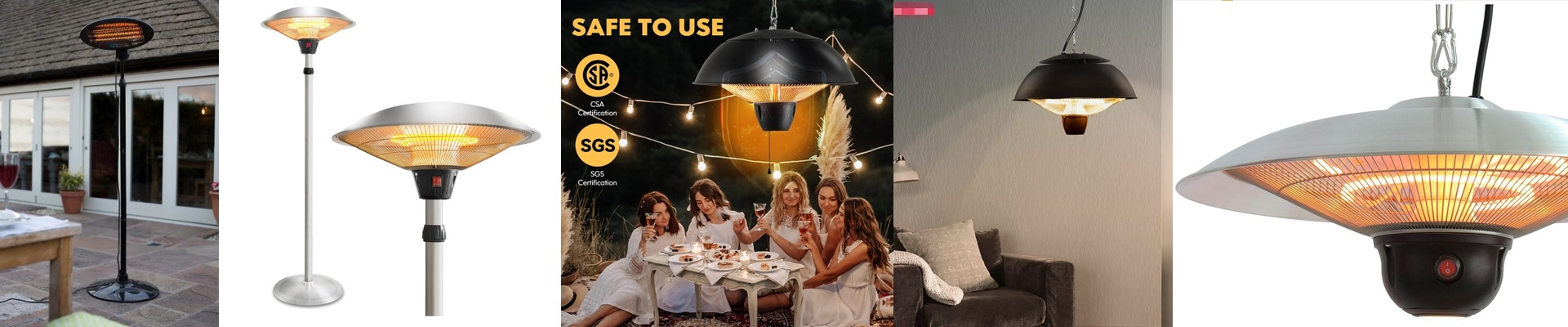

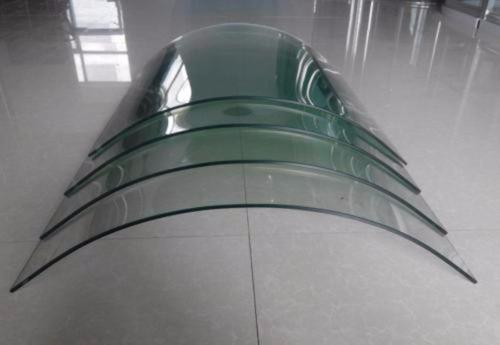
On the line, heat is always the bottleneck when you’re chasing faster bends and tighter repeatability. Convection ovens just stretch cycle time. Underpowered heaters create cold spots, and then the glass pushes back—thermal stress, optical distortion, the whole headache. Quartz tube infrared forming hands control back to the operator. You get direct, fast energy delivery that keeps the furnace floor moving instead of waiting around. What actually matters under the hood Quartz tube infrared heaters throw short-wave energy with high emissivity and snap response, heating the glass surface directly instead of heating air. That gives you a tight thermal field you can zone and tune, so temperature tracks the profile you set—not the drift of the room. In the high-power forming and bending zones, that means quicker ramp-up, stable soak control, and repeatable curvature without over-tempering or annealing headaches. In practice, the specs that count are fast warm-up to setpoint, stable output when load swings, and a quartz envelope tough enough to handle thermal shock. Why this approach fits glass processing Time and temperature are the levers that drive yield. Quartz tube infrared forming cuts cycle time because it heats on demand, not by waiting for mass to equalize. The payoff is more parts per hour, fewer scrapped bends, and less rework from optical distortion. Energy use drops because you stop heating empty space. The heat lands where it’s needed, when it’s needed. On high-volume lines, that efficiency shows up as lower kWh per unit and lower peak demand charges. The practical details you can’t skip These heaters are compact and punchy, so installation and control really matter. Verify electrical capacity, mounting clearances, and thermal shielding—otherwise you’ll cook nearby components and create hot spots. Match the controller to the heater response so the profile tracks the glass without overshoot. Warm-up is shorter than convection, sure, but keep the environment clean and dry. Protect the electrical terminations and you’ll save yourself a world of field failures.