
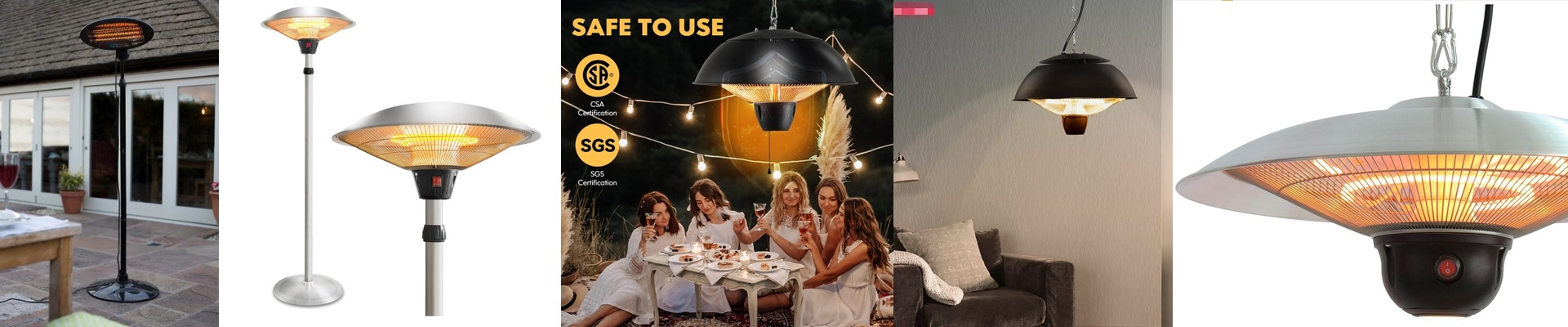
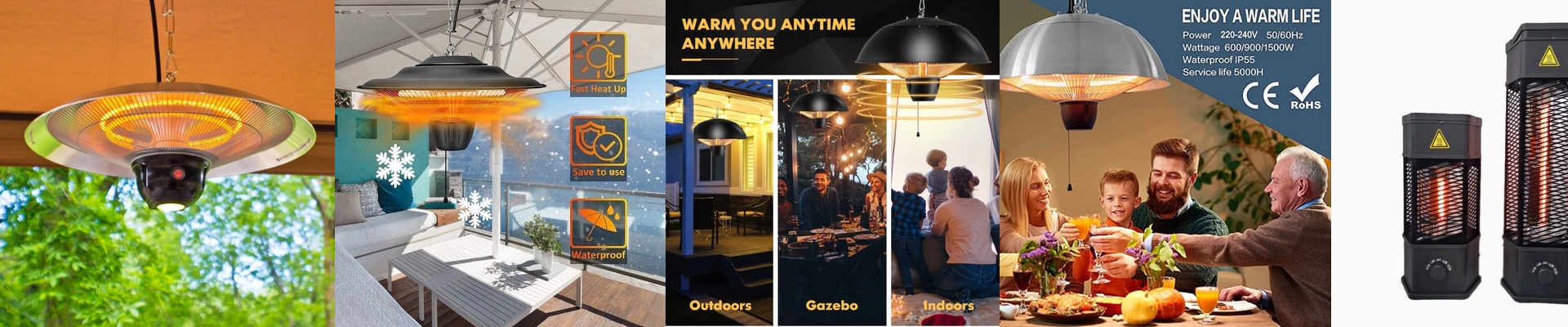
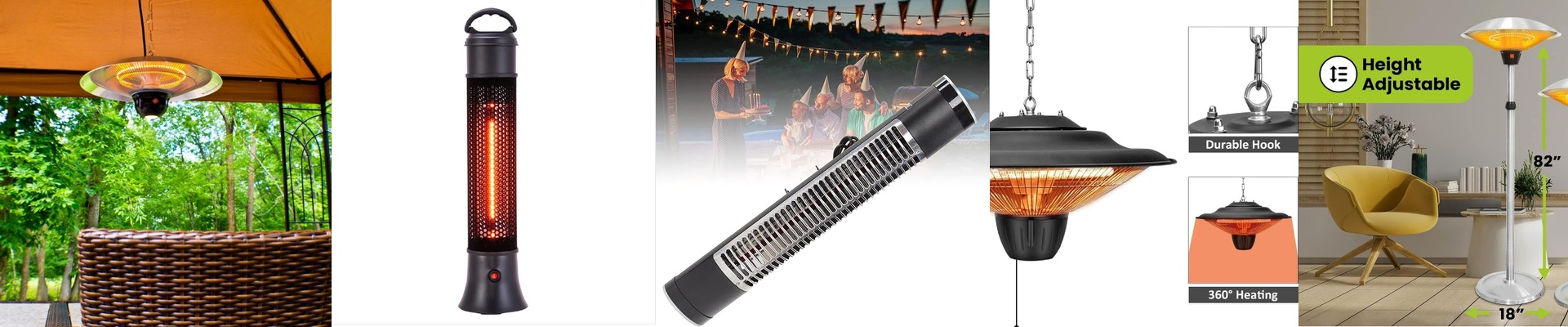

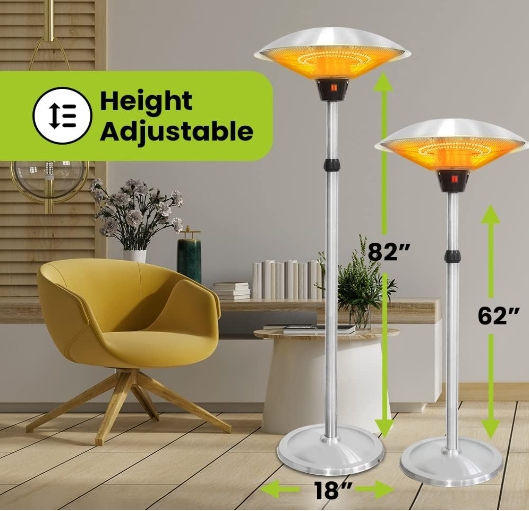
Walk any hospitality procurement aisle and you’ll see a wall of options. Look closer, though, and it’s clear there’s no real standard to lean on. Without one, you’re gambling with guest comfort, safety, and your operating costs. That’s why, when we spec bulk hotel room heating, only infrared heaters with full CE certification make the cut. What matters under the hood Infrared warmth doesn’t work like convection. It radiates heat straight to people and surfaces, so you don’t have to warm the air first. In practice, guests feel comfortable faster, and the room never gets that stuffy, closed-in feeling. Stick with a unit built around a quartz or carbon fiber element, and make sure it has a thermostat and tip-over protection. CE marking tells you the heater has met EU safety, health, and environmental requirements, including electrical safety and EMC testing. It also means there’s a documented quality process behind it, so each unit should perform the same as the last. Why this fits hotel rooms Rooms are compact, and guests want comfort the second they walk in. An infrared heater gives immediate radiant warmth, so you don’t have to run the system constantly to meet expectations. The element is sealed, and because the air stays drier, maintenance is simpler. You’re less likely to deal with the dust and odor issues that show up with forced-air systems. For housekeeping, that means fewer service calls and less downtime. What you need to keep straight CE certification is solid, but placement still matters. Keep the heater well clear of curtains and bedding, and follow the clearances in the manual. Most electric infrared heaters run off standard outlets, but if you’re installing a bunch, double-check the circuit load and make sure the plug type matches the building wiring. Expect surfaces to get warm—never block the heater’s airflow or drape anything over it. When it’s installed right, these heaters deliver dependable comfort with a level of safety assurance that’s hard to match in a crowded market.