Stop Losing Money on Your Outdoor Patio This Winter
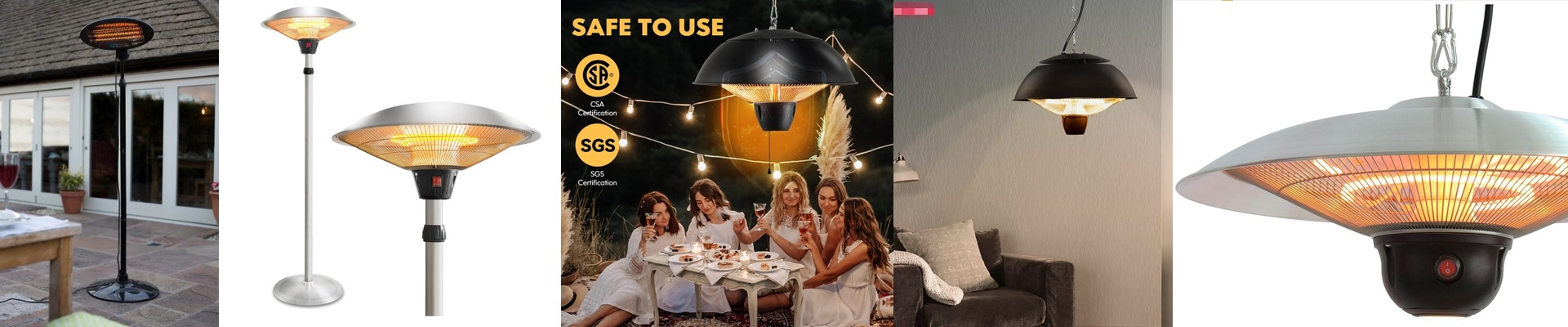
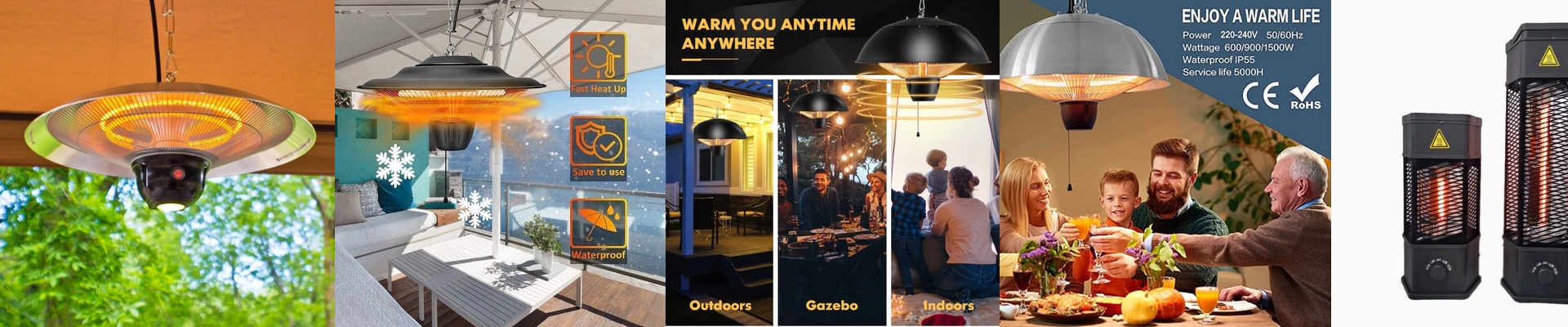
It’s frustrating. You’ve got a great outdoor space, but as soon as the temperature drops, those tables go empty. Most people try to fix this with standard heaters, but here’s the problem: they try to heat the air. In an open-air patio, the wind just carries that warmth away before it ever reaches your guests. That’s why we use shortwave infrared. Instead of fighting the breeze, these lamps send heat directly to the people and the furniture. It feels more like standing in the sun. The wind can howl all it wants, but your guests stay warm.
Built for the Elements
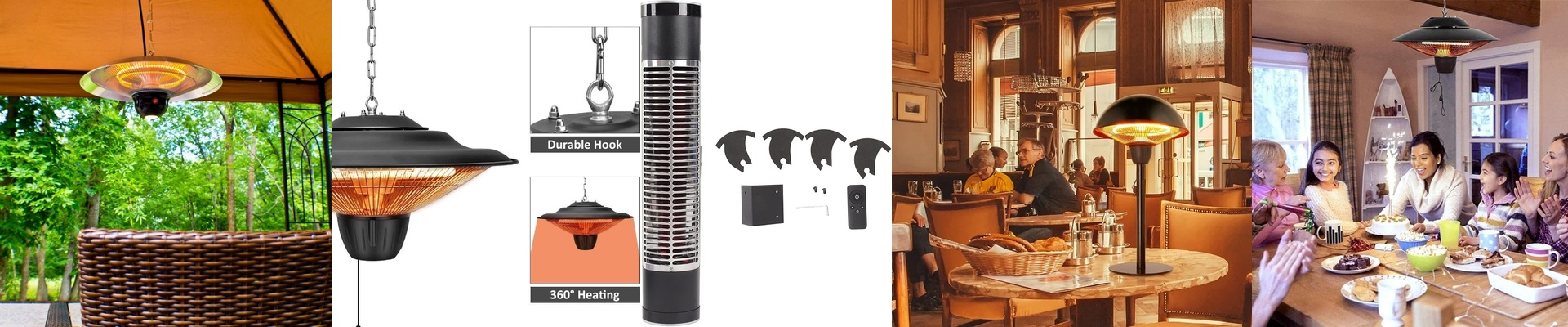
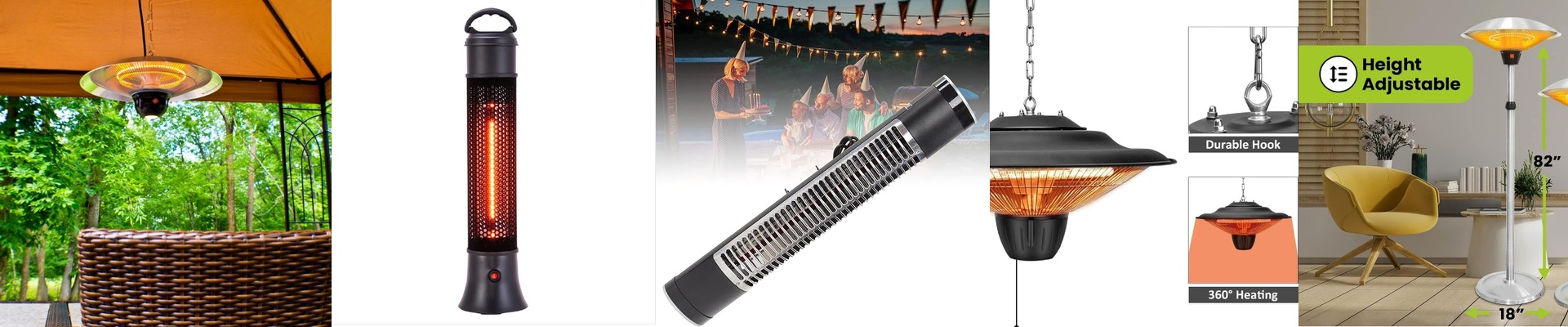
You can’t be worrying about your gear every time a storm rolls in. We use IP65-rated enclosures for a reason. In plain English? They’re dust-tight and can handle a good soaking from the rain or snow without shorting out. You just leave them up and forget about them. We usually set these up in arrays across the ceiling or walls. Because they’re shortwave emitters, they don’t need to be huge to be effective. You flip the switch, and the heat is there. Instantly.
Getting the Heat Right
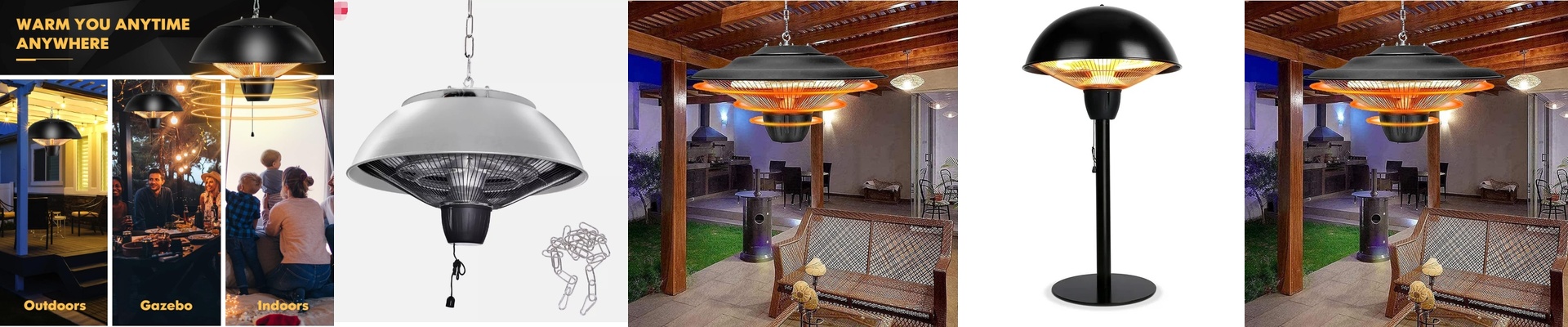
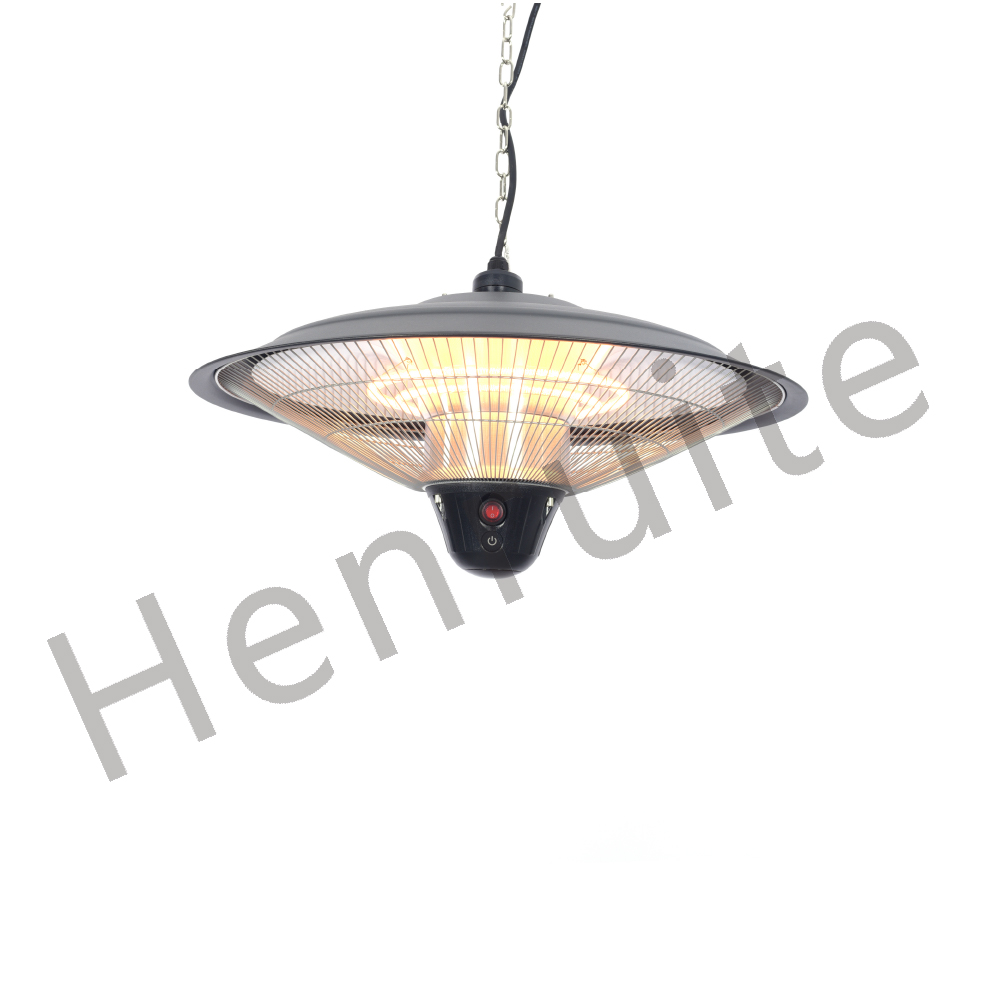
We use quartz glass tubes with special coatings to make sure the heat actually penetrates through heavy coats and sweaters. This is a lifesaver when it’s hovering around 5°C and your guests are bundled up. But you have to get the math right. If you go too light on the wattage, you get “cold spots.” Nobody wants to sit in the one chair that feels like a freezer—it kills your table turnover. On the flip side, if you overdo it, the people sitting right under the lamp will start sweating. Depending on how high your ceilings are, we usually aim for 600W to 1200W per station. It’s all about that sweet spot.
The Bottom Line
The beauty of this setup is that your terrace stays open all year. More seats, more guests, more revenue during the months when everyone else is closing their doors. Just a heads-up on the power side: these things pull a lot of juice. If you’re running a bunch of 2kW heaters at once, your breaker panel might not love you. It’s a good idea to check your electrical load first or set up a zoned switching system so you don’t accidentally kill the lights for the whole restaurant.