
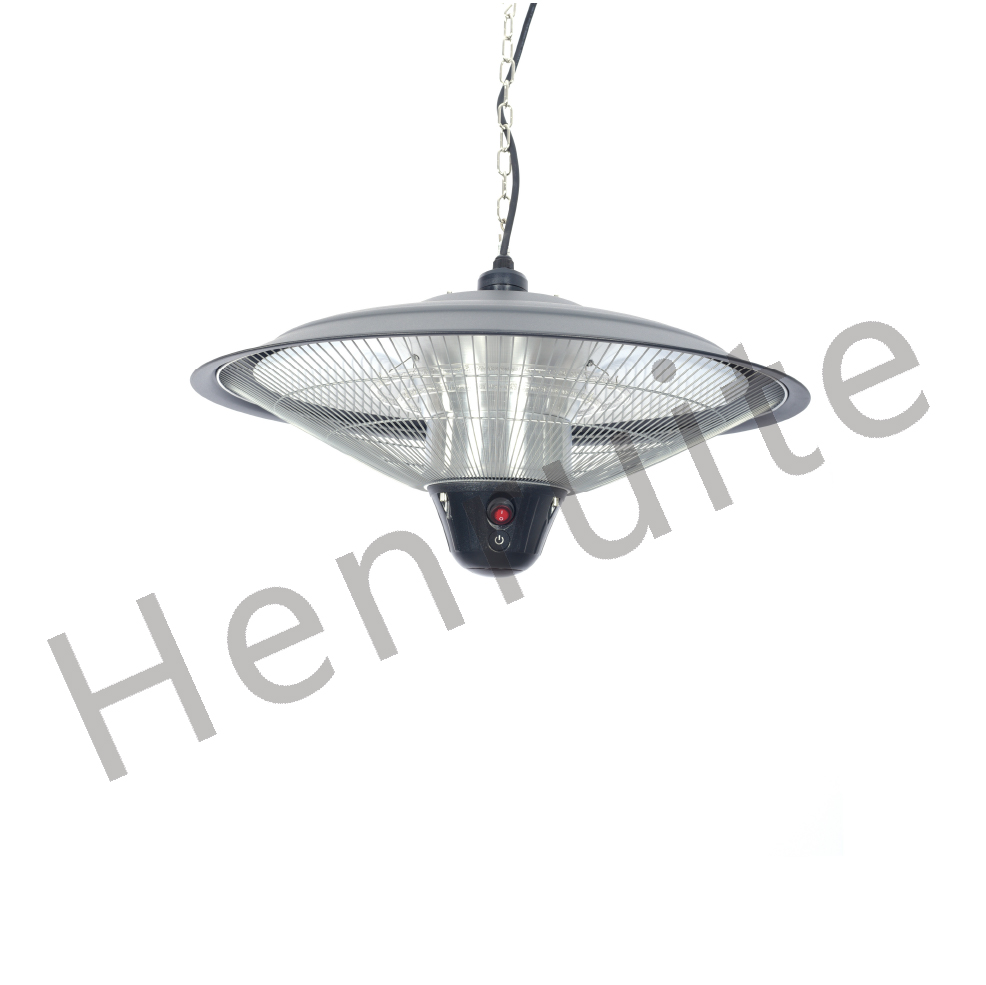
Don’t Let Your Bathroom Heater Become a Hazard
Putting infrared heating lamps in a bathroom is a bit like playing with fire—literally. You’ve got high heat on one side and conductive moisture on the other. A “waterproof” sticker on the box isn’t enough. To keep things safe, you have to look closely at where the heating element meets the outer shell. Here is how we actually handle it. The problem with humid air Steam is sneaky. It finds every little gap, turning the air into something that can actually carry an electrical current. That’s a shortcut to a short circuit. We use high-temp ceramic insulators at the lamp terminals to keep a physical gap between the live current and the chassis. Some people try to use plastic housings, but those just warp over time. Ceramic doesn’t budge. It stays put and keeps the electricity where it belongs, even when the room is thick with condensation. Real talk about IP ratings A splash-proof cover is a start, but it’s not the whole story. We go with IPX4 rated enclosures and heavy-duty silicone gaskets. The real danger zone? The spot where the power cable enters the unit. If you aren’t careful, moisture can actually “wick” inside the cable jacket and crawl right into the terminal block. We stop that by using compression glands to lock the cable down tight. The balancing act: Heat vs. Water Here’s the tricky part. If you seal a high-wattage lamp too tightly to keep water out, you trap the heat inside. If the air can’t move, you’ll fry your internal wiring. It’s a trade-off. You need the seal, but you also need the lamp to breathe. We usually solve this with baffled vents. They’re designed to let the heat escape while blocking water from getting in. And for the love of everything, wire it up with a dedicated GFCI breaker. No matter how great the insulation is, that breaker is your safety net. It’s the one thing you don’t want to skip.