
Introduction
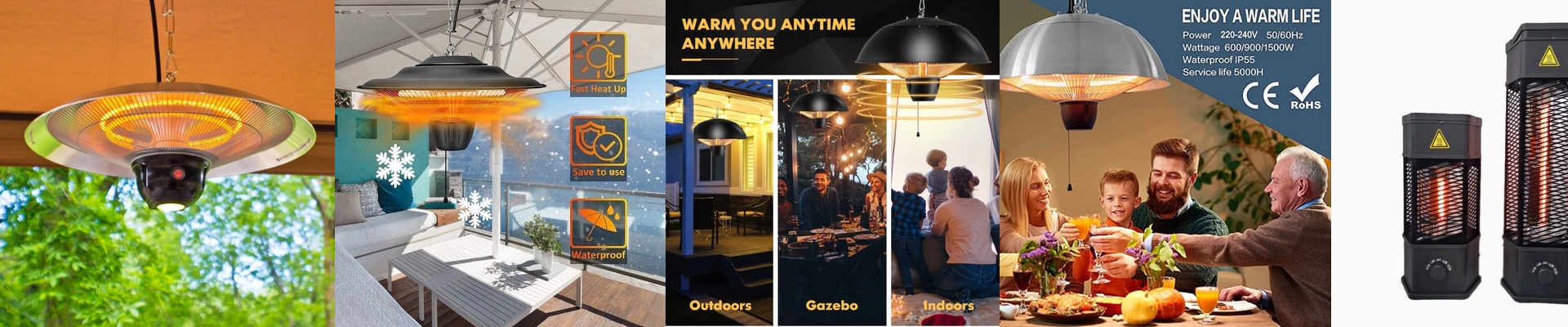
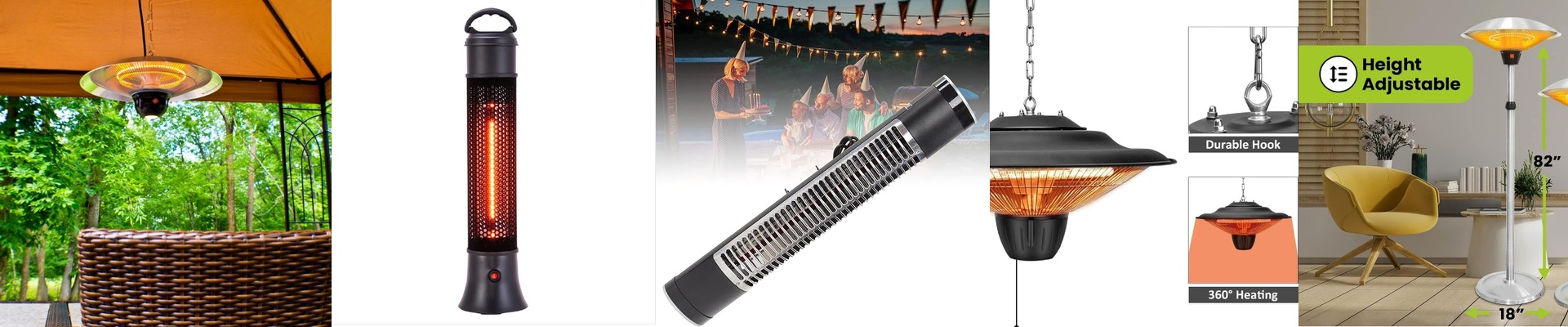
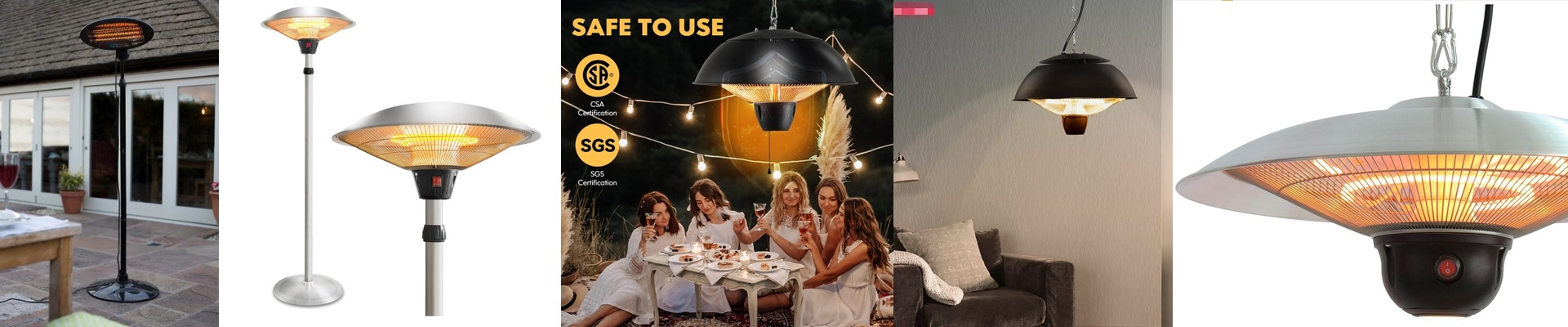
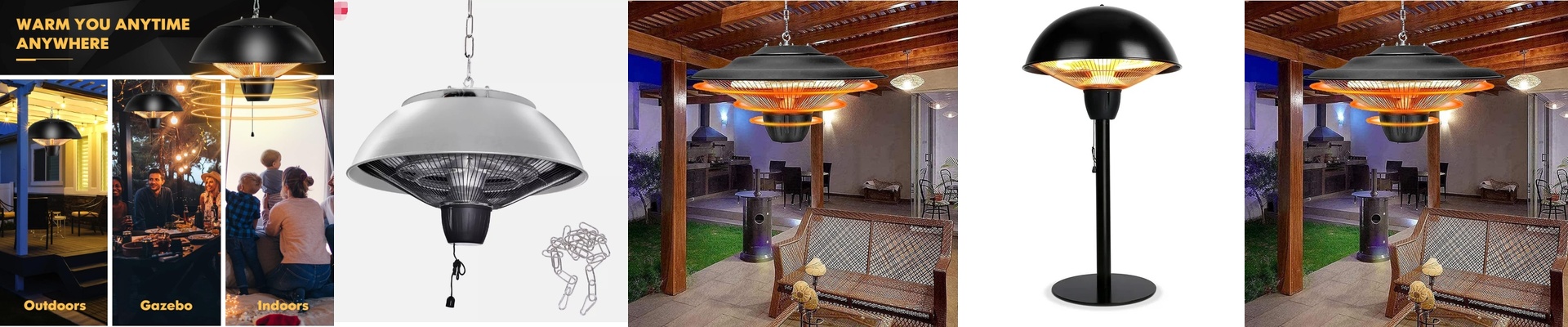
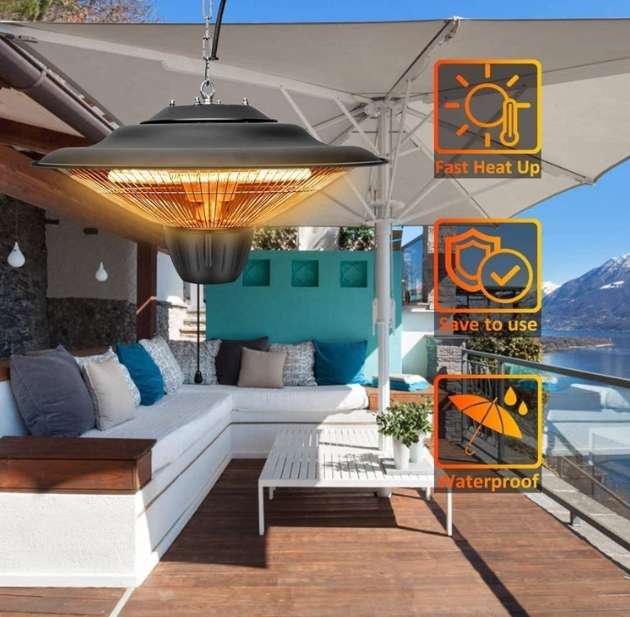
We built this waterproof infrared heater with one specific thought in mind: it’s for spaces like pergolas and damp areas, where keeping everything electrically sound is the whole ballgame. The whole point? To give you that focused, comforting warmth, without ever cutting corners on safety—even when it’s getting drenched. For the folks installing it, that means you’re not just picking a heater, you’re choosing a unit that can truly handle the environment it’s in.
Power, Voltage, and Size: The Practical Stuff
Here’s the thing about the power setup—it’s built to be tough. It runs on 220V or 400V, giving you the wattage you need to get the job done. That voltage range lets it pack a serious punch in a surprisingly compact size. The tube length is tailored to the space, so the heat lands right where you want it, without a bunch of wasted energy. It’s a direct, focused approach, which just means you get more actual, usable warmth for every watt you use, compared to those ambient heaters.
The Safety Core: How It’s Built
Let’s get into what’s inside. The heating element lives inside a halogen-filled quartz tube, and we chose it for one reason: it handles extreme heat changes without blinking, and the output stays steady. The whole unit is sealed up tight, hitting an IP65 rating or higher. So yeah, it’s waterproof. Rain? Jet spray? No problem. The electrical connections are tucked away in a top-grade ceramic or heat-resistant polymer end cap. This keeps everything fully insulated, so you don’t have to worry about current leakage. It’s 100% electrically isolated. And the R7s connector makes installation a breeze—secure, tool-free, and it keeps that waterproof seal intact.
Real-World Performance: What It Means for You
When you’re putting this into a pergola or a bathroom, it’s a straight-forward, drop-in solution for outdoor comfort. That waterproof seal and insulated housing mean it can take whatever the weather throws at it without shorting out. There is one thing to keep in mind, though. Because it delivers such high heat density, you’ll want to make sure you have the right circuit specs and enough ventilation to manage the temperature around it. But here’s the payoff: fewer on-site headaches, way less maintenance, and a system you can count on to just work, day in and day out.