
Introduction
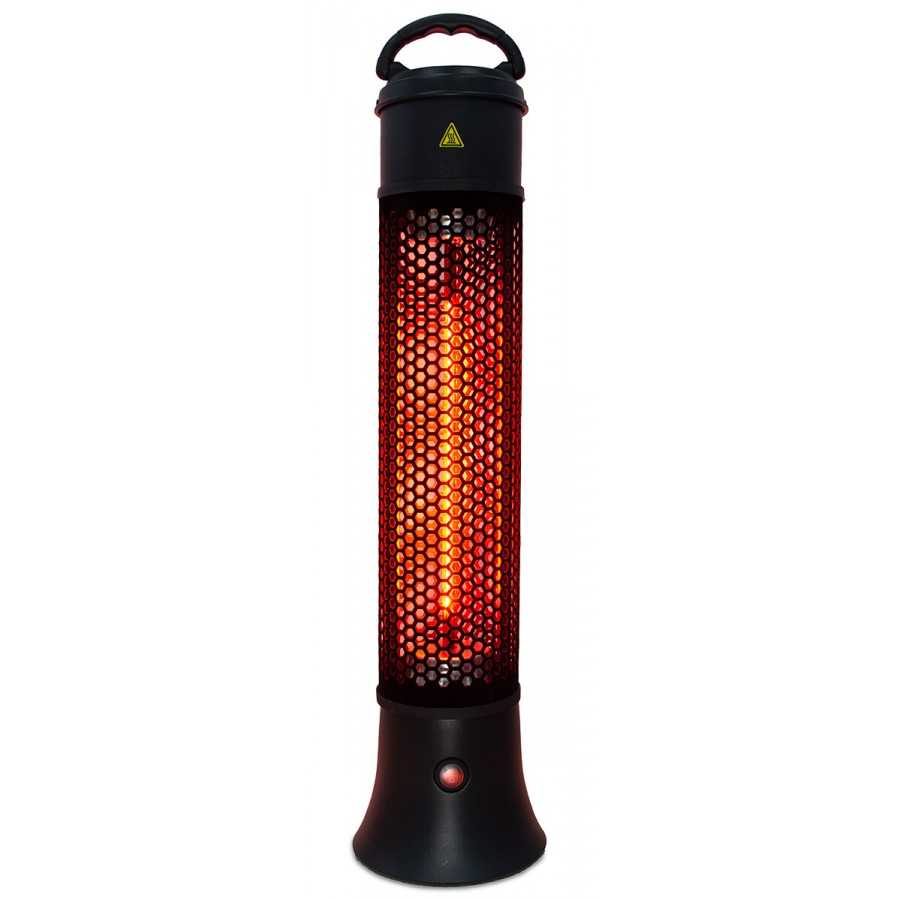
We built this infrared wall heater to throw off direct, radiant heat—but the real idea behind it goes way deeper. It’s about hitting surfaces with the right kind of warmth to speed up drying and keep mold from getting comfortable. If you’re an engineer or planning out a facility, think of this less as “just a heater” and more as a humidity-fighting tool that slips neatly into your bathroom electrical plan.
The Heart of It
At the core is a halogen infrared lamp, tuned to a specific voltage and wattage. That’s how we pack predictable heat into a small footprint. The quartz tube keeps the filament steady, even when the heater gets switched on and off again and again. And the lamp length is matched to the mounting footprint, so you can squeeze this into tight wall spaces without having to redesign the whole enclosure.
Materials and the Why
We chose a halogen-filled quartz envelope because it holds the filament temperature steady, which keeps the output consistent over time. The shortwave infrared energy is focused where it matters most: on surfaces, not floating around in the air. Then there’s the R7s connector. It’s rigid and rated for high heat, so it can take repeated exposure without loosening up or arcing. That matters when you’re wiring a heater that’s going to live in a damp, enclosed space.
What It Does for You
You know that damp feeling in bathrooms—how it clings to walls and ceilings and starts inviting mold? This infrared heater drives heat right onto those surfaces, speeding up evaporation so things dry faster after a shower. The payoff is a drier space, which means less of the microbial stuff that feeds mold. Just keep one thing in mind: the lamp produces high heat density, so nearby materials and fixtures need to be rated for elevated temperatures. Spec the install with proper clearances and thermal protection, and you get a low-maintenance way to manage humidity right where it starts.
The Honest Part
High-output infrared heat makes drying simpler, but it also raises the temperature in the immediate area. Plan your ventilation and choose materials accordingly. If the room is sealed and doesn’t vent well, the surface drying helps, but you still need to keep an eye on heat building up in the air.