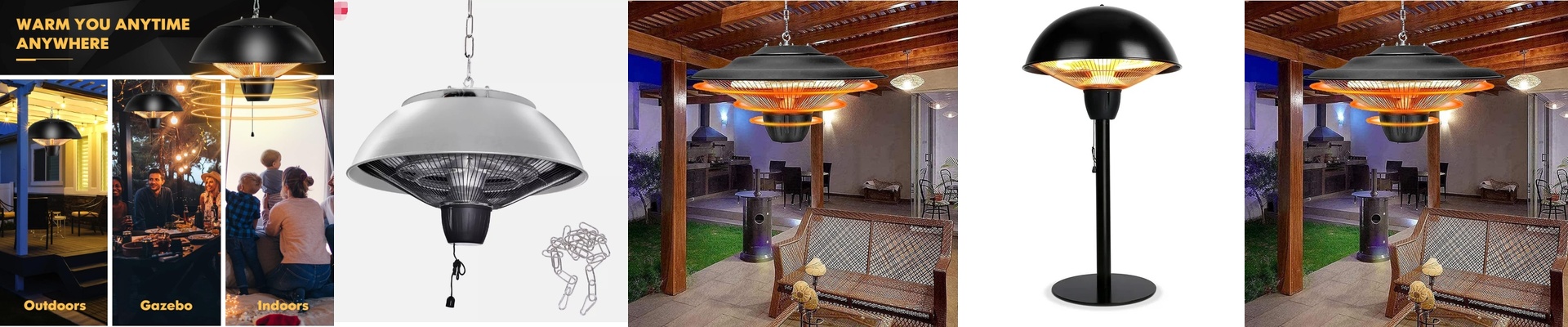
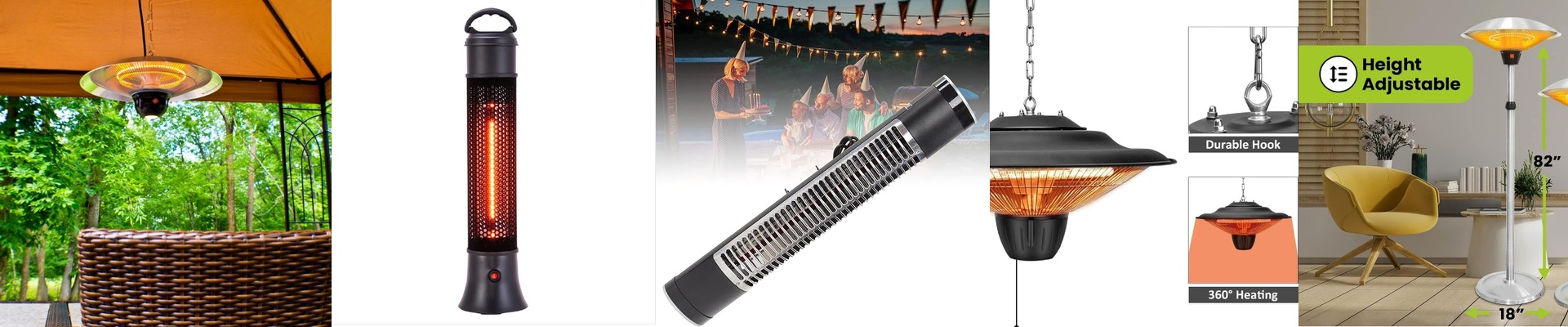
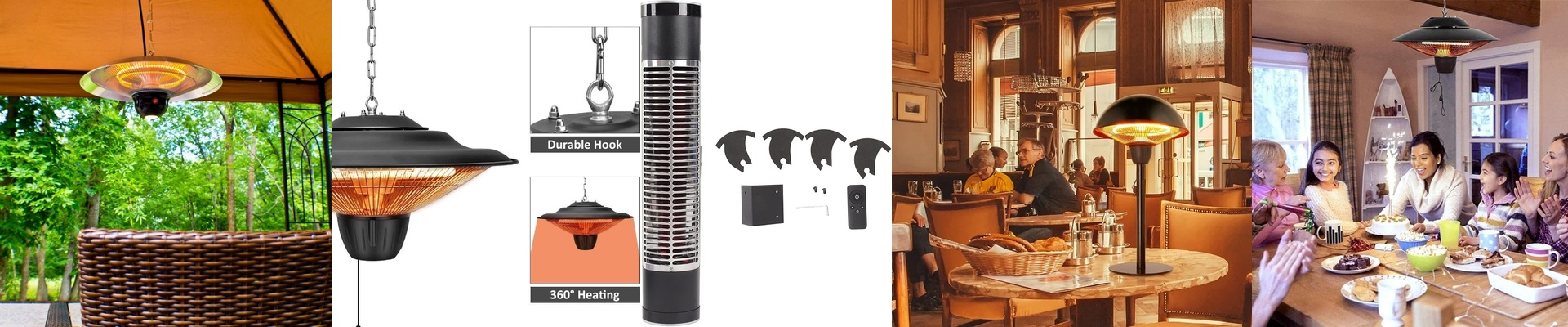
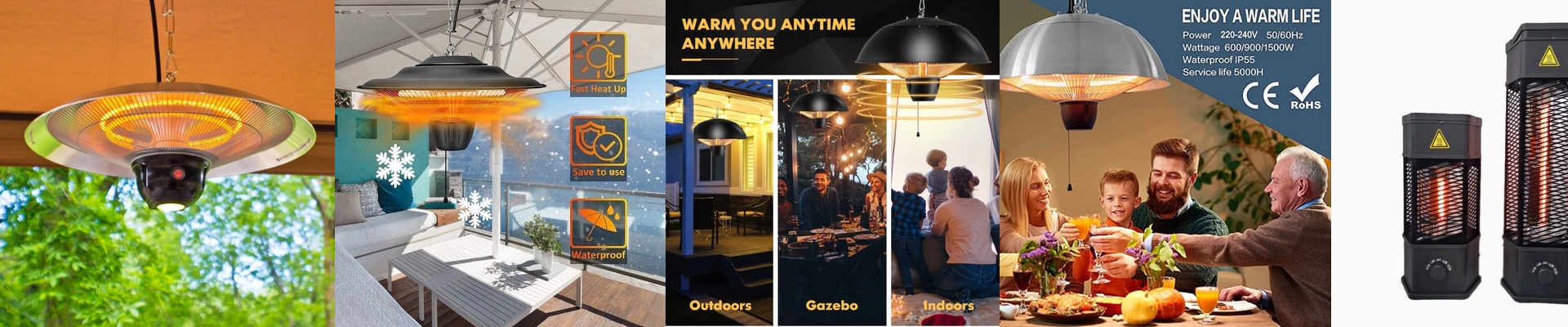
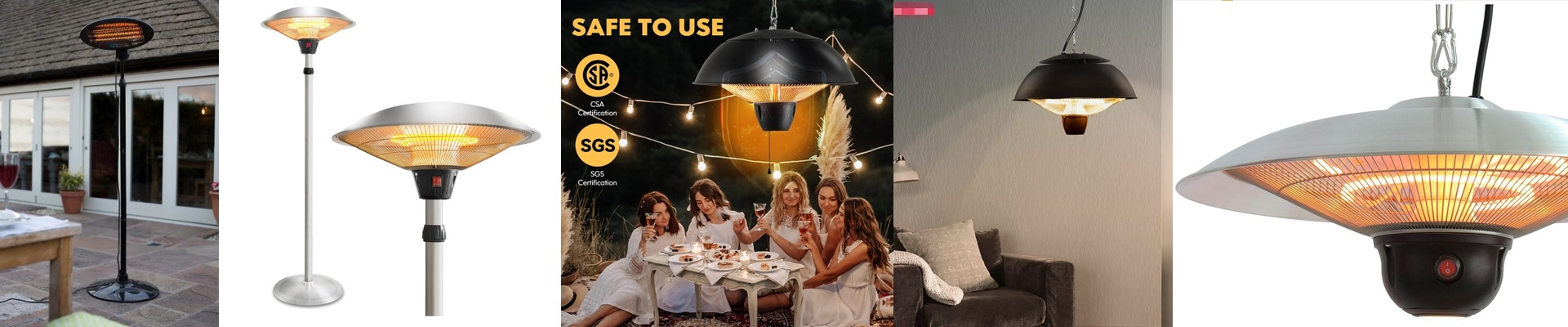
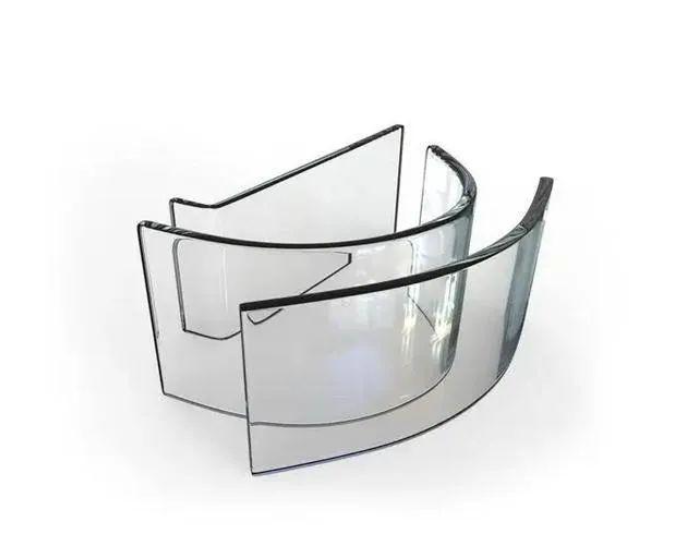
On the line, wine glass stemware comes off the forming station in a hurry. But if the annealing heat isn’t dialed in, you pay for it in scrap—micro-cracks, warp, and stress lines that pop up after polishing and inspection. So the annealing heater has to deliver repeatable, uniform temperature control. Not just heat. What matters, technically, is control. We build the wine glass annealing heater around medium-wave infrared elements with quartz tubes, because they respond fast and hold steady in the 550–650°C annealing window. The emitters are laid out to create a uniform thermal field across the glass path, so you don’t get hot and cold spots that drive thermal stress. Power density is matched to line speed and glass mass—by the numbers, not by gut feel. The payoff: tight temperature uniformity, quicker ramp-up, and consistent soak conditions without overheating thin stems or bowl rims. In glass processing, the name of the game is yield and repeatability. This heater brings annealing under control: fewer rejects from stress fractures, consistent optical clarity after polishing, and cycles that don’t chase the line speed. Energy use comes down because the emitters heat on demand and hold temperature with minimal drift. Maintenance intervals stretch, too—fewer hot spots and less thermal shock on components means fewer surprises. The result is fewer unplanned stops and output you can count on, shift after shift. Installation is straightforward, but the heater performs best when the reflector geometry and airflow around the zone match your glass profile and conveyor speed. Expect a short commissioning window to tune the power curve for your stemware thickness and emissivity. One constraint: it needs a stable supply voltage and a clean thermal environment. Excess drafts and voltage swings will show up as temperature variation. Match the zone length to your product mix, and the heater will deliver repeatable annealing, day in and day out.