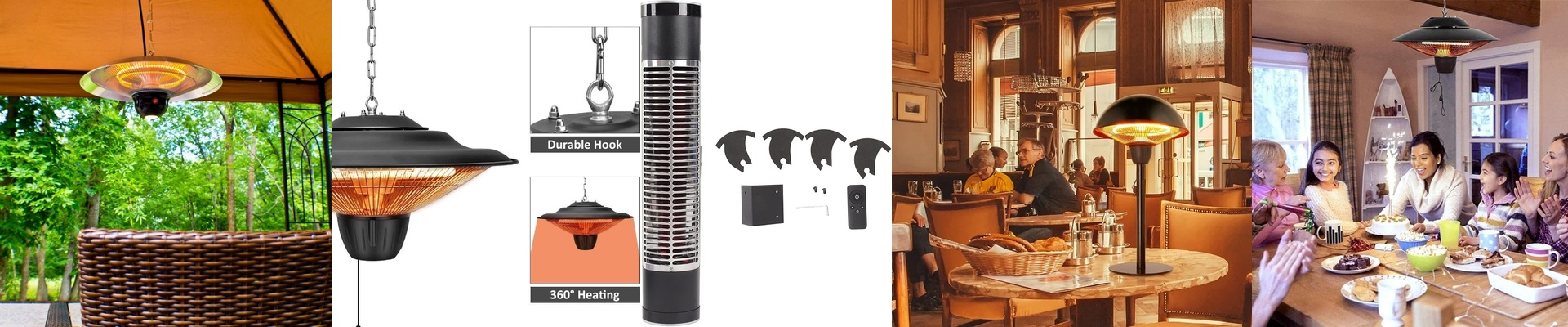
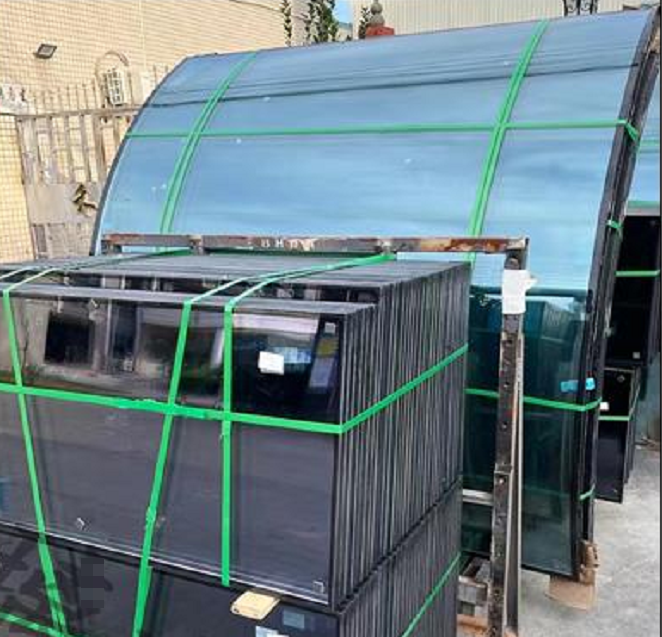
On the glass line, annealing beads aren’t a “nice-to-have.” They lock in the thermal history that keeps tempered and bent parts from cracking later from latent stress. If the annealing heater starts drifting, you get uneven heating, bead shape that wanders, and scrap piling up. We built our glass bead annealing heater for exactly that reality—steady, repeatable, and able to take the heat. What matters under the hood It’s a quartz short-wave infrared heater, designed to dump energy straight into the glass beads with minimal losses to convection. Response is fast, heat is focused, and the annealing zone hits setpoint quickly—then holds it. The quartz envelope handles thermal shock and stays clean where the shop is dirty. Output and temperature are managed through a matched industrial interface, so you get repeatable cycles shift after shift. The footprint is tight, built to drop into existing conveyor and furnace lanes without a redesign. Here’s the point: annealing beads need uniform temperature and a soak profile you can count on. This heater cuts warm-up lag, so the zone gets stable faster, and it keeps temperature even across the bead bed. The payoff is fewer rejects from thermal stress, consistent bead geometry, and more parts out the door without pushing the furnace into overtime. Energy use drops because heat is delivered on demand, not wasted preheating a big chamber. Installation is straightforward, but alignment is not optional. The heater has to match the bead flow and avoid shadowing—otherwise you’ll see cold spots show up on the bed. Check that your power supply matches the rated voltage and phase, and confirm the mounting interface before you start re-tooling the line. In gritty environments, keep the quartz tube clean; it protects emissivity and keeps temperature readings honest. Plan for routine checks, but expect long service life under normal annealing duty cycles.