
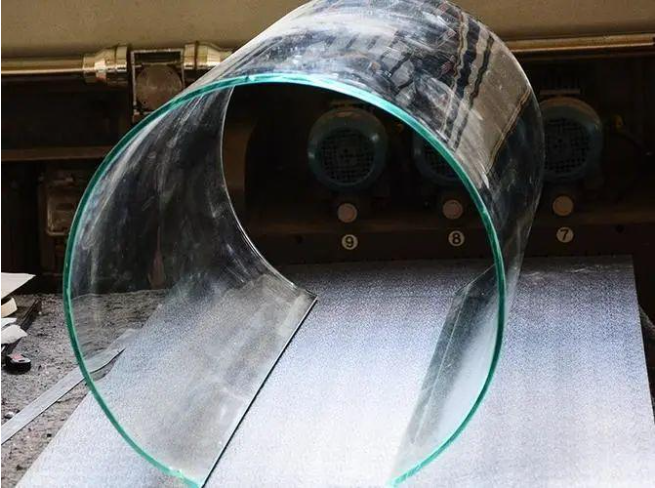
On the plant floor, glass heating isn’t a nice-to-have—it’s the line between making yield and making scrap. When the heater can’t keep up, tempering and bending profiles drift. Coatings cure uneven. Lamination starts throwing voids. The fallout is rework, downtime, and energy that just goes up in smoke.
What matters under the hood
We built the PID controller for glass heaters around fast-response algorithms tuned for quartz and short-wave infrared elements. The loop holds setpoint within ±1°C across the full operating range, and ramp rates are configurable so you can match glass transition curves in annealing, bending, and tempering. Power stages are spec’d to common heater voltages and current draws, with solid terminal blocks and shielded wiring to cut down on electrical noise. The interface keeps it direct—profiles, alarm logs, diagnostics—no black boxes.
Why it plays in real production
In tempering, uniform heating keeps thermal stress fractures out and keeps the arc consistent. In lamination, stable zone temperatures keep EVA and SGP flow under control, so you see fewer bubbles and edge defects. For insulating glass, the controller keeps sealant cure repeatable, so the line doesn’t have to slow down to chase quality. You get faster recovery after door openings, fewer temperature overshoots, and measurable energy savings because the heater isn’t constantly chasing the setpoint.
The fine print you already know
Compatibility is straightforward, but it isn’t plug-and-play on its own. We provide drop-in replacement kits and adapter harnesses for the major glass machine brands, keeping original mounting and access clearances intact. Expect a short commissioning window to dial in the PID gains for your specific heater mass and glass emissivity. And yes, ambient airflow and reflector condition still matter—clean optics and steady airflow are still required to keep results consistent.