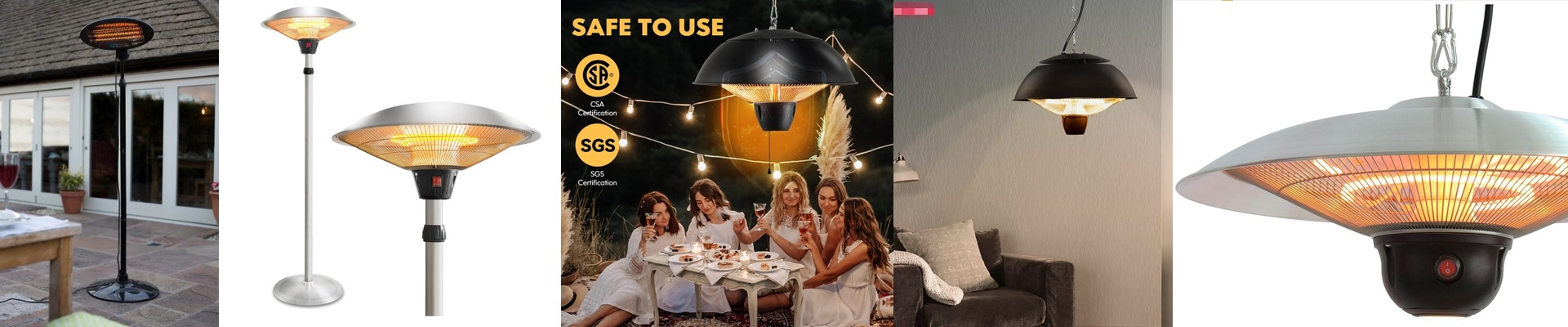
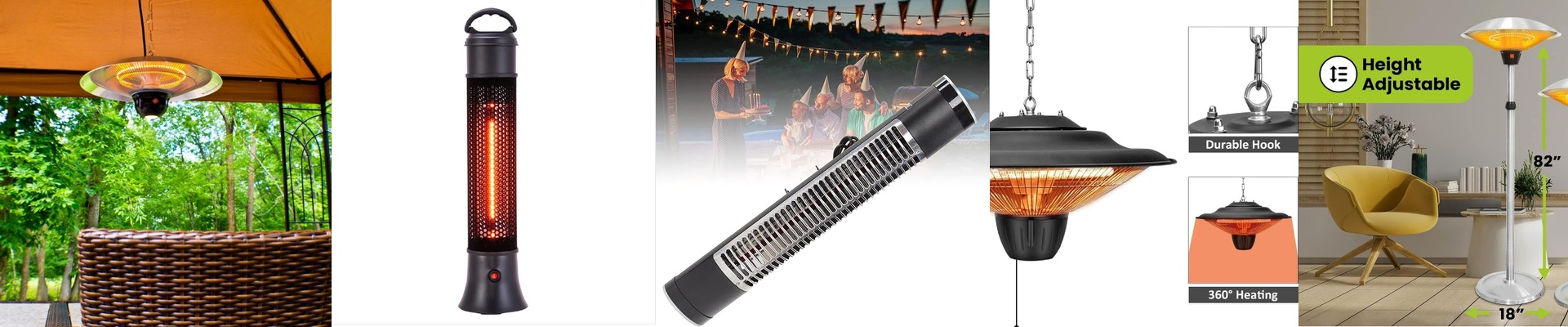

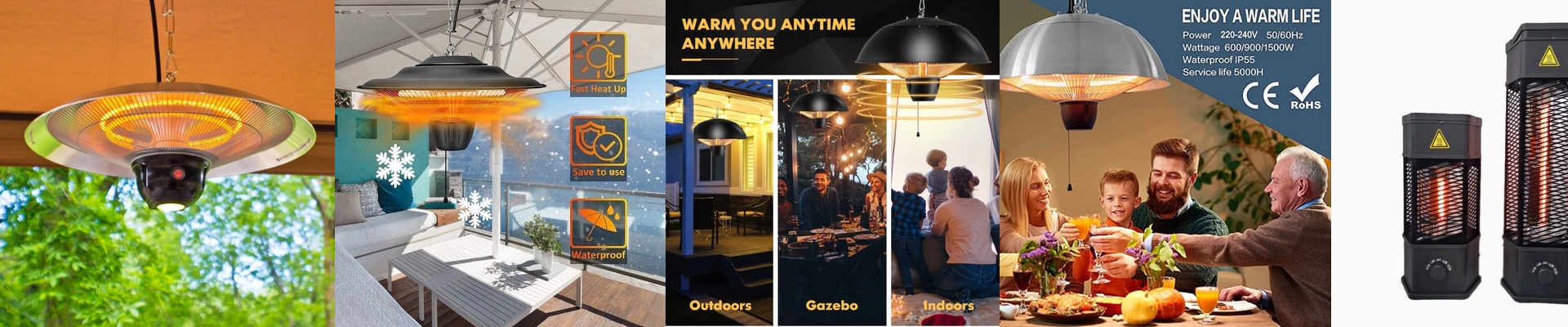

Out on the line, that sapphire substrate is sitting there waiting. One temperature dip, one hotspot, and the whole batch is gone—scrap material, lost hours, a machine tied up for nothing. With sapphire, heat isn’t just another parameter. It’s the line between making yield and eating cost.
What matters under the hood
We built the sapphire glass processing heater around near-infrared (NIR) quartz emitters. They respond fast and give you tight control where you need it—right in the high-temperature zones. The module puts out targeted energy that fits typical process windows, and those quick ramp rates keep cycle time moving instead of dragging. A dense heating pattern smooths out the thermal field across the substrate, so you don’t get the sharp gradients that drive thermal stress. The heater body uses quartz and high-temperature insulators to hold stable temperatures and take repeated thermal shock without falling apart. It comes in standard footprints with a clean terminal layout, so it drops into existing tooling without re-engineering the whole machine.
Why this approach fits sapphire
Sapphire is hard, transparent, and unforgiving. Uneven heating shows up fast—warp, edge cracks, and optical performance that drifts from piece to piece. The NIR heater cuts soak time and limits convection drift, so you hit the setpoint quickly and hold it. That translates into fewer rejects from thermal shock, more consistent film or coating adhesion, and throughput that stays steady instead of yo-yoing. Energy use drops because the emitters heat what needs heating, and the shorter soak window reduces idle time. Whether you’re tempering, bending, or curing a coating on sapphire, the payoff is measurable: tighter temperature spread, repeatable profiles, and fewer line stoppages.
The practical details you can’t skip
NIR heaters are line-of-sight, so fixture geometry and spacing matter. Keep the clearances right to avoid shadowing and keep the emitter surface clean. There’s a short warm-up before emission stabilizes, so build your recipe around stable setpoints, not instantaneous readings. For the best performance, match the heater to the substrate size and emissivity, and make sure the power supply and cooling match the duty cycle. It’s not plug-and-play everywhere, but it is repeatable when you install it with the process in mind.