Stop Fighting Bathroom Mold With a Scrub Brush
Most people think bathroom heat lamps are just about not shivering when you step out of the shower. But if you look under the hood, there’s something much cooler happening. It’s not just about warmth; it’s about winning the war against mold.
How it actually works
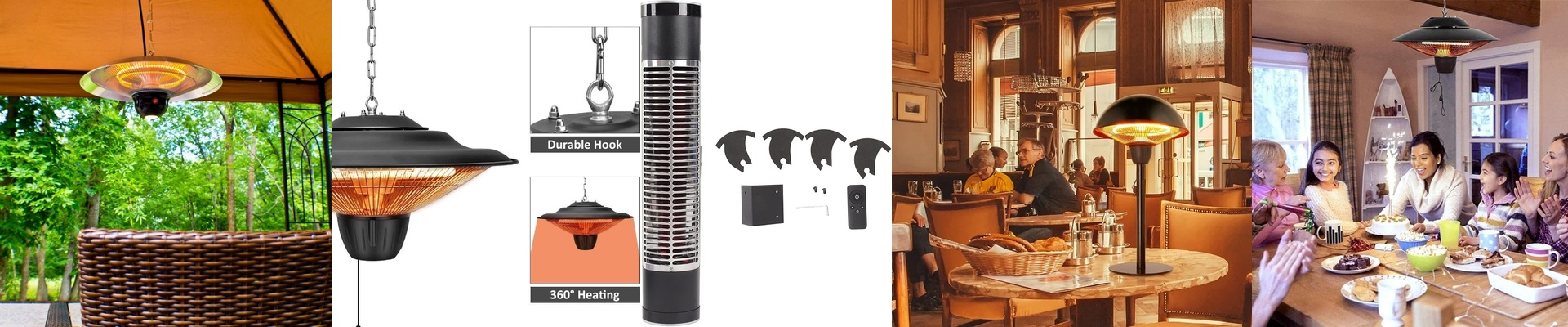
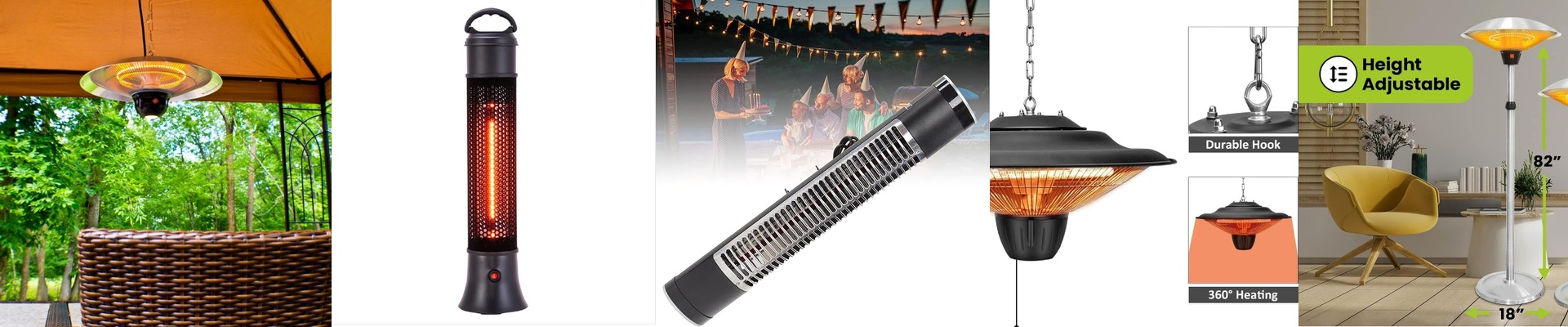
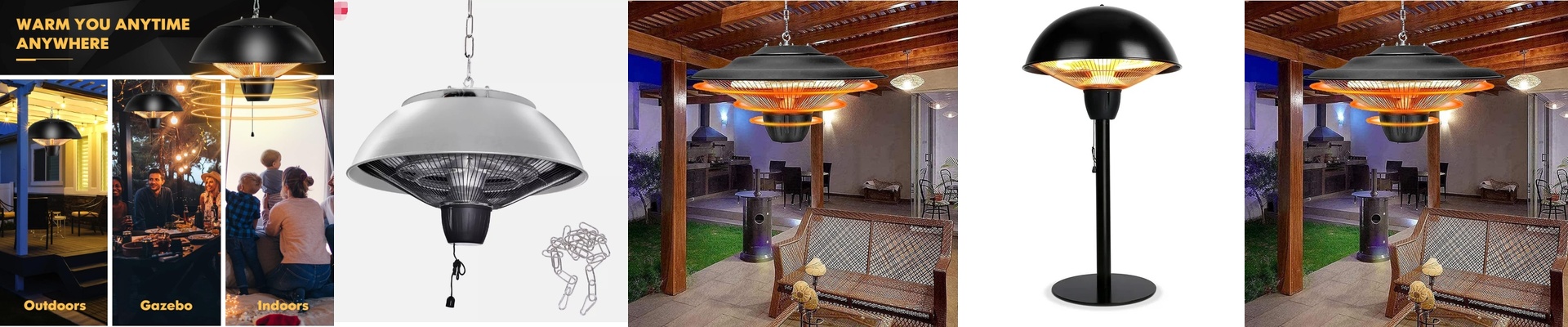
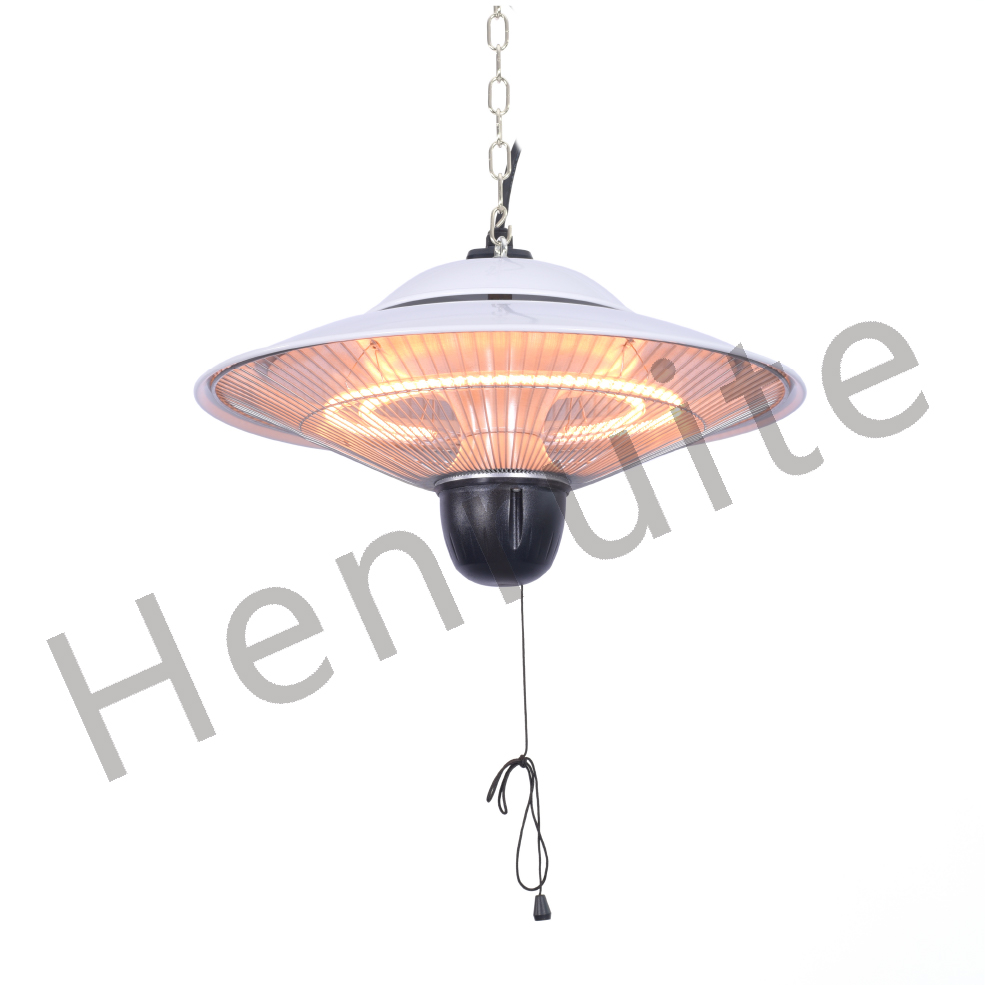
Here is the thing about mold: it loves cold, damp corners where the air just sits still. Standard heaters try to warm up the air, but that air rarely reaches the back of your shower stall. That’s where infrared comes in. Instead of heating the air, these lamps shoot energy directly at your walls and floors. It warms the actual surface of the room. When your walls stay warm, water can’t settle into those tiny droplets we call condensation. And if there’s no dampness clinging to the wall, mold has nowhere to live. It’s a simple fix that saves you from spending your weekend scrubbing grout.
The “Don’t Electrocute Yourself” Part
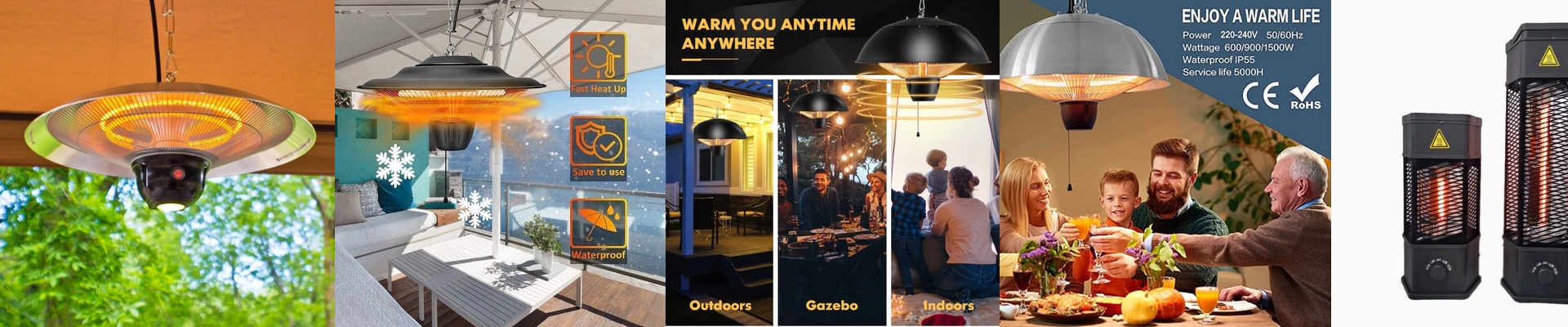
Water and electricity are a nightmare pairing. That’s why you’ll see “IP55” on the spec sheet. In plain English? It means the unit is sealed up tight. It can handle splashes and steam without shorting out or blowing a fuse. We use tempered glass, too. This is huge because if a splash of cold water hits a scorching hot lamp, cheap glass would just shatter. Tempered glass takes the hit and keeps going. One quick tip: check your wiring. These lamps pull a lot of power. If your circuit breaker is old or under-powered, you might find yourself in the dark the second you flip the switch.
Finding the Sweet Spot
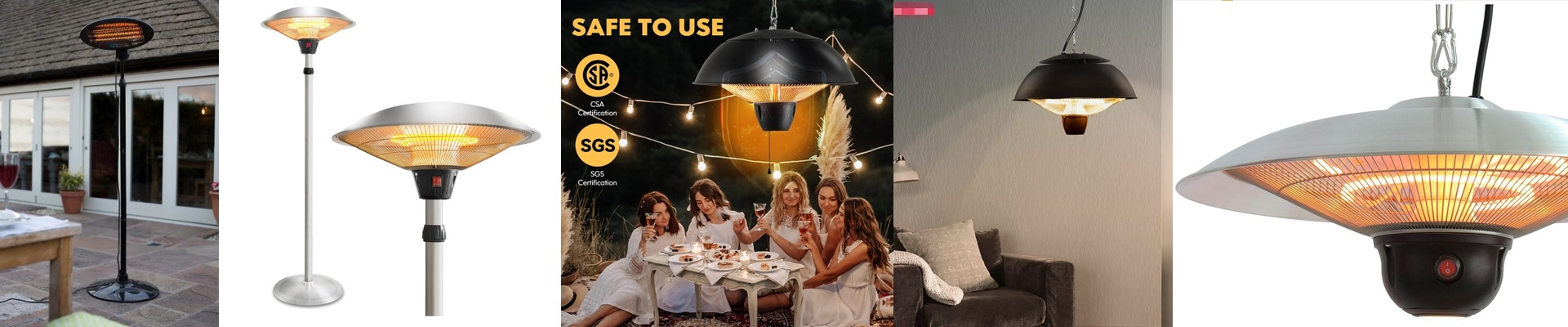
Radiant heat is fast. Like, instant fast. You feel it the second it turns on. But because it’s so powerful, we have to be careful. You don’t want a lamp that’s so intense it burns someone who leans in too close. We design the housings to spread that heat out. It’s all about balance—keeping the room dry and mold-free without turning your bathroom into a sauna.