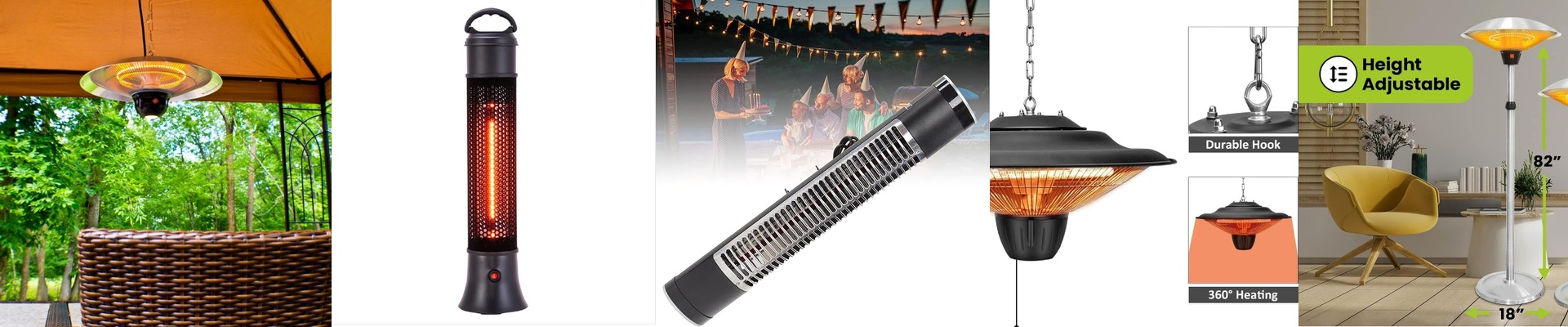
Stop the Bathroom Damp: Why Infrared Heaters Actually Work
Most people think recessed ceiling heaters are just about not freezing your toes the second you step out of the shower. But there’s more going on here. We actually design these units to hunt down moisture in those annoying damp spots using shortwave infrared (SWIR) tech. Here is the secret: most heaters just warm up the air. These lamps are different. They send out radiation that hits surfaces directly and forces standing water to evaporate.
How it actually dries your room
You know those stagnant, damp corners where mold loves to hang out? That’s usually because the air just doesn’t move there. We use shortwave emitters because they pack a punch. The energy cuts right through that thin layer of moisture clinging to your walls and ceiling, turning liquid water into gas almost instantly. Once that moisture is in the air, your exhaust fan can actually do its job and pull it out of the house.
The tricky part about the design
Squeezing high-wattage lamps into a ceiling isn’t exactly easy. It gets hot. Really hot. To keep things from cracking, we use quartz glass for the lamp envelopes. You get that instant blast of warmth the moment you flip the switch, but because the lamps run so hot, we’ve made sure the housing is heavily insulated. This keeps your ceiling joists safe and sound.
Beating the mold
Mold is picky. It usually needs the surface humidity to stay above 70% to really take over your bathroom. By adding an infrared heater, you’re basically drying out your tiles and grout before the mold can get a foothold. It helps stop that “damp wall” feeling that happens when the room chills too fast after a hot shower. Now, this isn’t a replacement for your vent fan. But if you hook it up to a timer or a humidity sensor, you can keep everything bone-dry without having to leave the lights on all day.