Why Your Locker Room is Still Freezing (and How to Fix It)
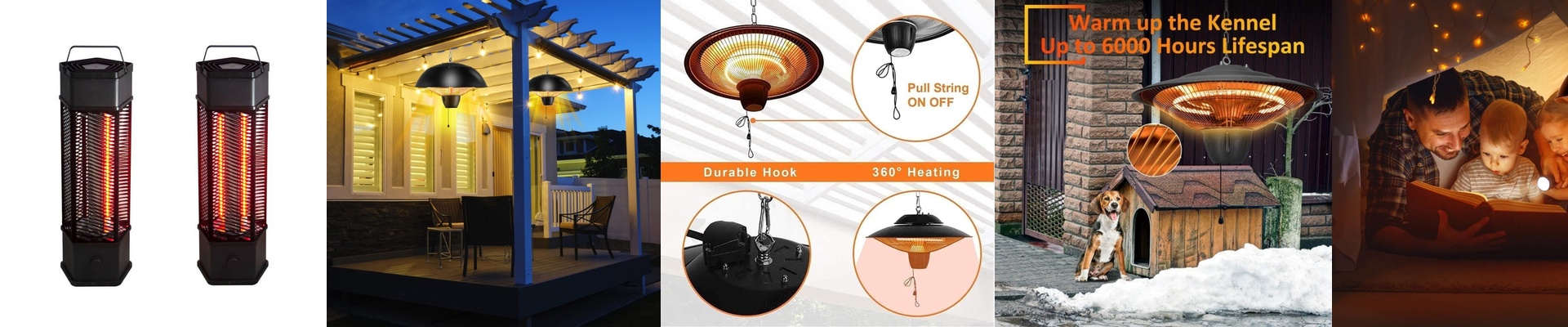
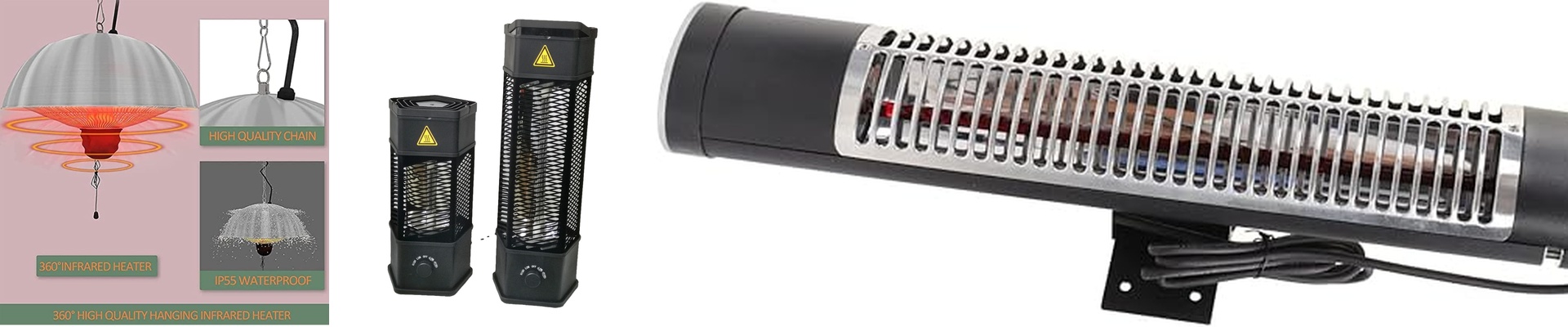
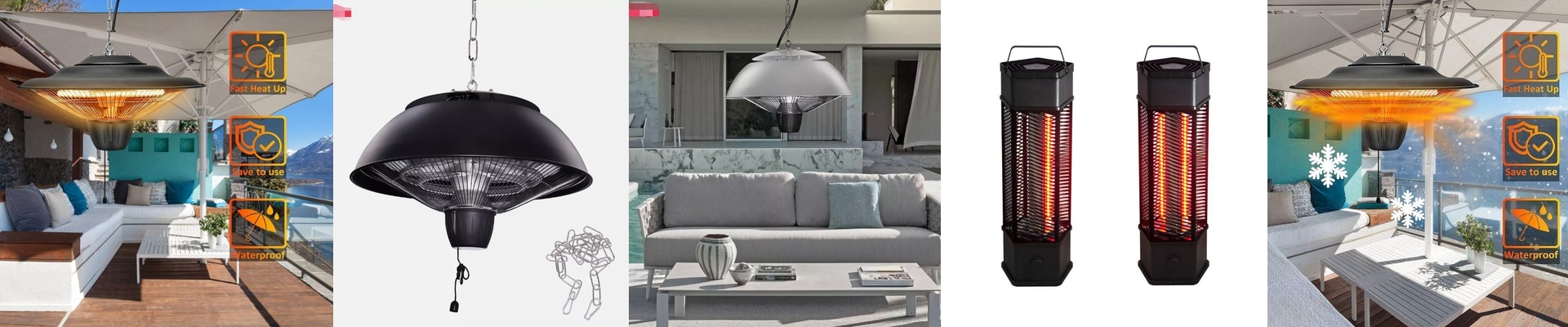
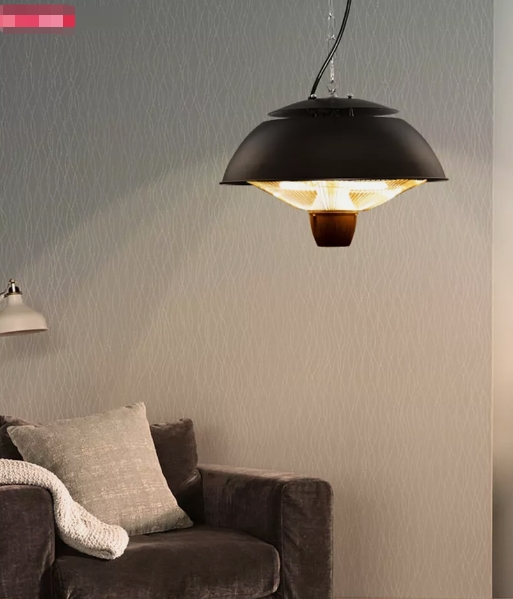
Trying to keep a locker room or a transition area warm is a nightmare. You’re basically fighting a losing battle against the cold. Most people try convection heaters, but those are useless here. They just heat up the air, and since heat rises, all that warmth just floats up to the ceiling while you’re still shivering on the floor. That’s why we go with ceiling-mounted shortwave infrared (IR) heaters. Instead of messing with the air, these things beam heat directly down. It’s like stepping into a patch of sunlight on a winter day. The moment that radiation hits your skin or the floor, it turns into heat. Period. That “Instant” Feeling There’s something about that specific kind of warmth—it’s immediate. If you use a forced-air system, you’re waiting twenty minutes for the room to feel “okay.” With an IR array, it happens in seconds. This is huge for areas where people are stripped down and exposed. Even if there’s a draft blowing through the room, you still feel that warmth hitting your skin the second you walk under the lamp. It just feels right. The Nitty-Gritty on Setup To get that kind of punch, we use high-wattage quartz elements. We usually pair them with polished aluminum reflectors to make sure the heat is actually going down toward the people, not wasting energy on the ceiling. But you have to be careful with the height. If you hang a high-output lamp too low, it’s not “cozy” anymore—it’s scorching. You’ve got to match the lamp’s throw distance to your actual ceiling height or you’ll have some very unhappy users. On the electrical side, don’t cut corners. These units need a stable load. We always suggest dedicated circuits because if the voltage drops, the elements flicker, and that’s a headache you don’t want. Also, make sure your mounts are rock solid. If the ceiling vibrates, those quartz tubes can crack over time. The Trade-off Here’s the catch: shortwave IR is linear. You’ll have a nice, hot spot right under the lamp, but if you step two feet to the side, you’re back in the cold. To fix those “cold spots,” you can’t just put up one or two units. You have to overlap the patterns. It means you’ll end up installing more hardware and pulling more power than you would with a standard heater, but it’s the only way to make the whole room feel consistent.