Making Your Bathroom Heater Actually Smart
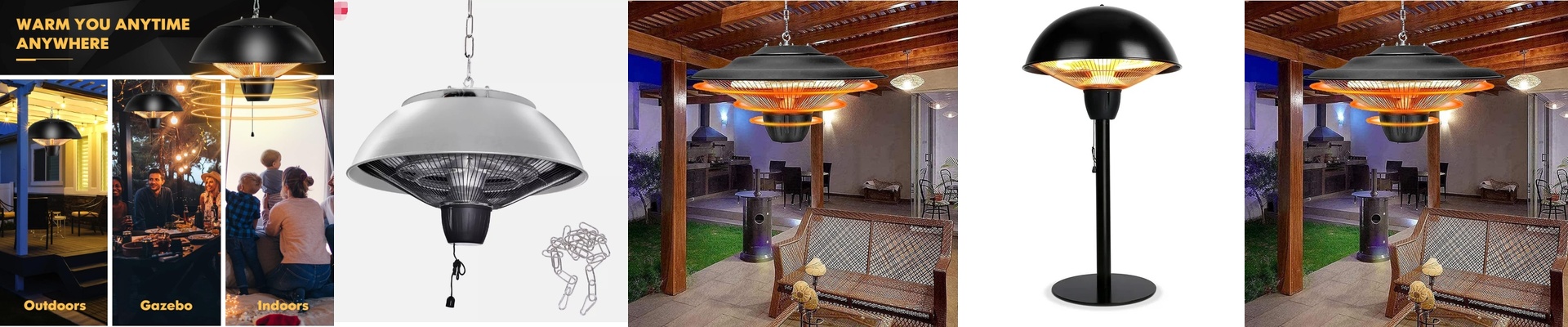
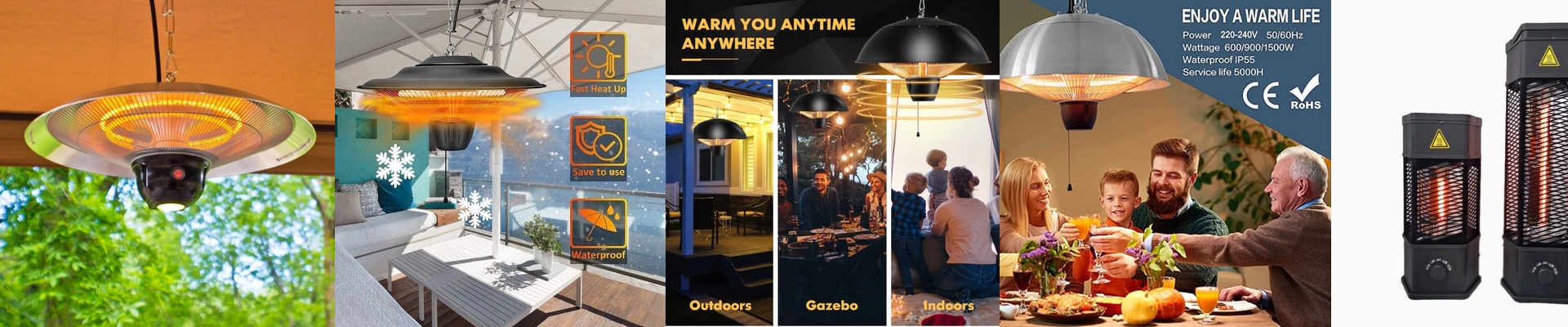
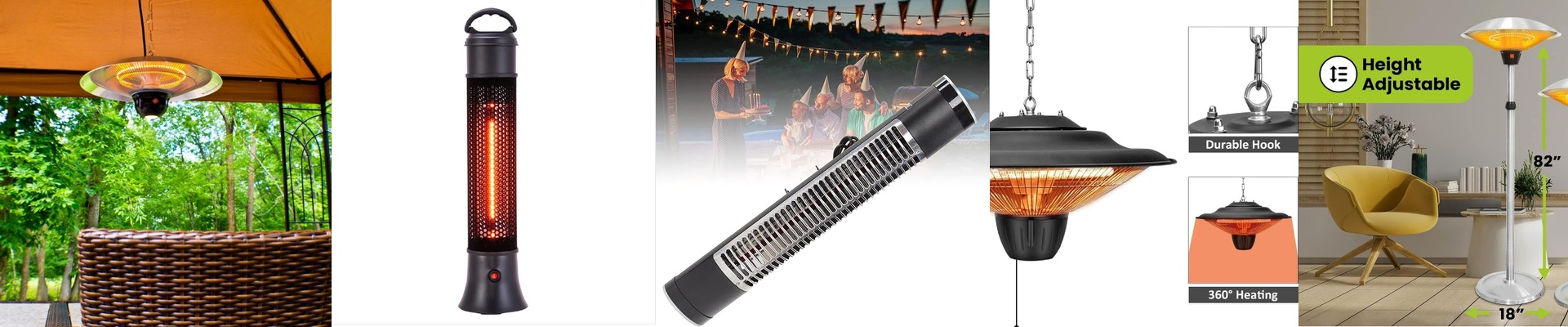
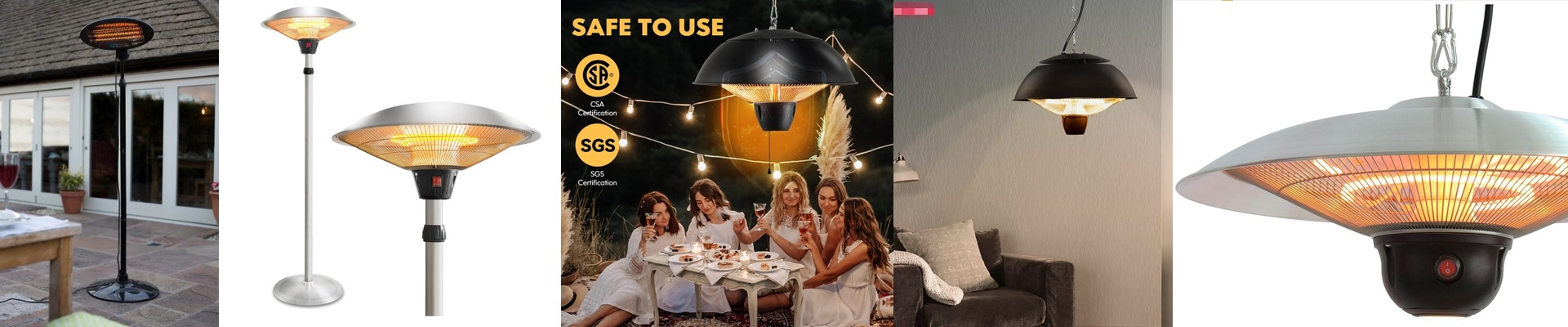
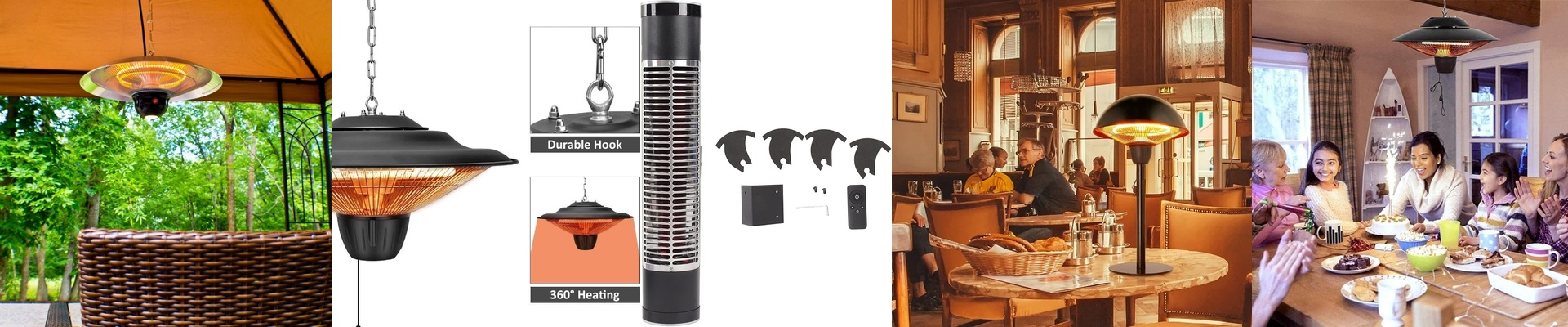
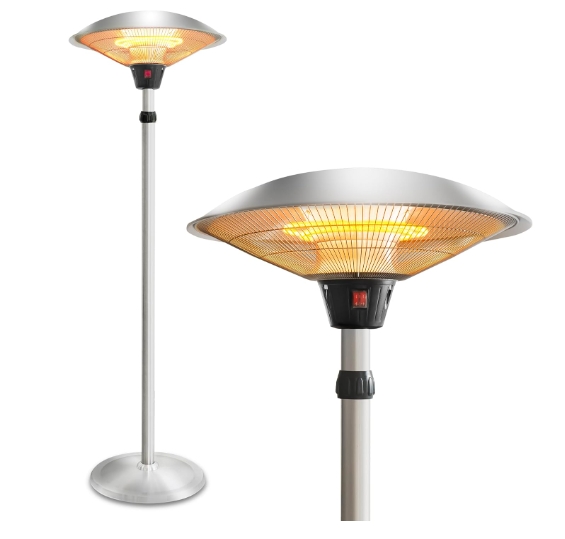
Let’s be honest: nobody likes stepping onto a freezing cold bathroom floor at 6 AM. Most heaters just warm up the air, which takes forever and usually leaves you shivering until the room finally catches up. That’s why we use short-wave infrared (IR) lamps. Instead of fighting the air, they beam heat directly onto you. It’s an instant, cozy feeling—kind of like stepping into a patch of sunlight on a winter day.
The “Brain” Behind the Heat
The lamps themselves are simple, but the magic happens in how we turn them on. Since these heaters pull a lot of power, you can’t just plug them into a cheap smart plug and hope for the best. We use heavy-duty relays or dimmers linked to a Zigbee or Wi-Fi controller. This means you can just tap an app or tell your voice assistant to start the heat while you’re still in bed. By the time you walk into the bathroom, the room is already toasted.
Keeping Things Safe
One of the best things about IR heaters is that they heat up in seconds. But that speed can be a problem if they just keep cranking. To keep things from getting too hot, we tuck in some temperature sensors. If the heat spikes too high, the controller just kills the power. It’s a simple fail-safe that stops the quartz bulbs from burning out, so you aren’t replacing hardware every few months.
A Quick Warning on the Wiring
Here is the part where people usually mess up: you cannot run a high-wattage heater directly off a low-voltage smart switch. If you try that, you’re asking for trouble. You need a dedicated power line and a relay that can actually handle the load. If the relay is too weak, the initial surge of power can literally weld the metal contacts together. If that happens, your heater stays on forever, and you’ve got a real problem on your hands. My advice?**Over-spec your relays by about 20%.**It’s a small extra cost that keeps everything running smoothly and, more importantly, keeps your house safe.