Getting the Most Out of Your Mobile Glass Repair Brackets
When you’re trying to squeeze high-performance IR elements into a tiny mobile bracket, you run into a wall pretty quickly. You’ve got limited space and strict voltage caps. You can’t just crank up the wattage and hope for the best—that’s a great way to melt your housing. It’s all about managing where that heat actually goes.
Why Aluminum Reflectors Matter
Here’s the thing: an IR lamp throws energy in every direction. In a small bracket, half of that heat is just wasted. Or worse, it’s baking the inside of your tool. That’s why we use aluminum reflectors. Aluminum is great because it bounces short-wave and medium-wave IR right back where it belongs: onto the glass. By curving the reflector—think parabolic or elliptical shapes—we can focus that heat into a tight beam. The result? You can use a lower-wattage lamp but still hit the same temperatures on the glass. You get the heat you need without blowing your power budget or turning the bracket into a toaster.
The Balancing Act: Voltage and Heat
Shrinking things down always comes with a trade-off. To keep the footprint small, we usually go with compact connectors. But there’s a catch. Pushing a lot of power through thin wires creates a “heat soak” problem. I always suggest pairing your reflector with a lamp that’s actually tuned for your voltage rail. If you try to over-volt a small element just to get more heat, you’re probably going to fry the filament. And keep in mind that while aluminum moves heat away quickly, that heat still has to go somewhere. In a sealed mobile unit, it can get trapped.
Making it Work
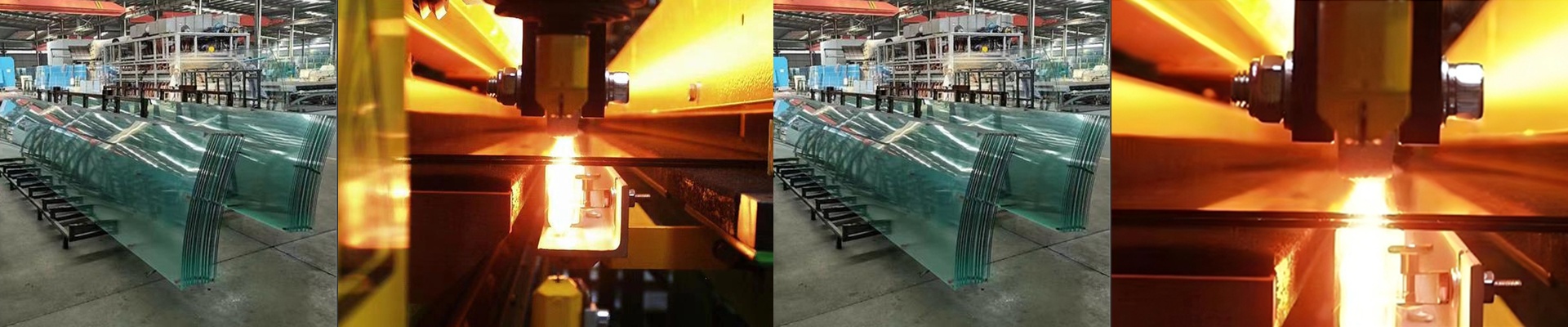
If you want the glass to hit working temperature in seconds, a polished aluminum surface is your best friend. It’s fast. Really fast. Just one tip: make sure the reflector isn’t touching the outer casing. You want a physical gap there. Nobody likes it when the tool gets so hot it burns the operator’s hand.