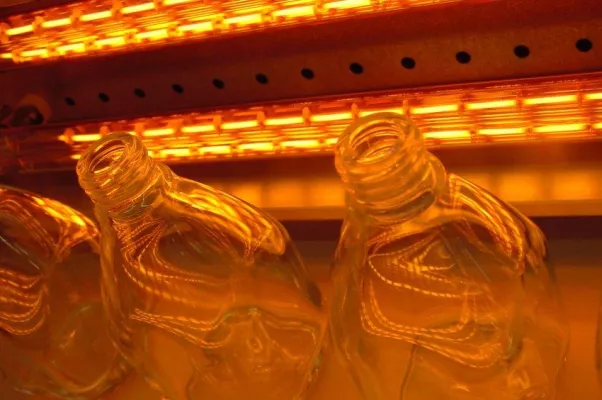
Dealing with Cold Spots in Complex Glass Annealing
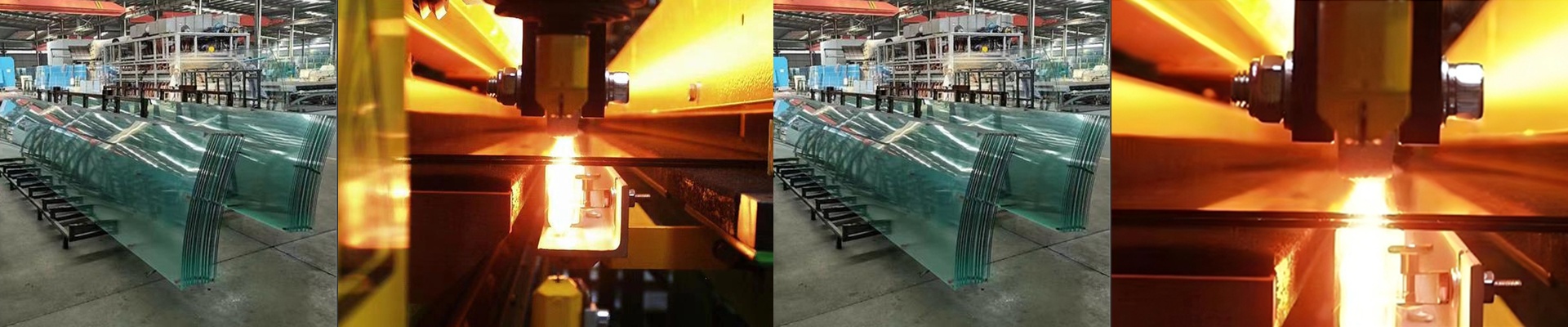
If you’ve ever run intricate glassware through an annealing lehr, you know the nightmare of “dead zones.” It’s frustrating. You think everything is heating up evenly, but those tight curves and narrow internal necks just don’t get the memo. Standard convective heating—basically just blowing hot air—usually misses those spots entirely. That’s why we use targeted short-wave infrared (IR) lamps. Instead of waiting for the air to get hot, these lamps beam energy directly into the glass surface. It’s a much more direct way of doing things.
Getting the Heat Where it Actually Needs to Go
To get rid of those annoying cold spots, we don’t just guess. We look at the actual shape of your glass and spec the lamps to match. The beauty of short-wave IR is that it sinks deep into the glass wall. This means the core of the glass stays in sync with the surface. We usually set these lamps up in a staggered or overlapping pattern. Think of it like a thermal blanket wrapping around the piece. When you do that, you stop the internal stress from building up, which means way fewer cracks when things finally cool down.
The Nitty-Gritty on Hardware
We build these units with high-purity quartz envelopes. Why? Because quartz can take a beating from extreme thermal shock and lets the IR light pass through without blocking it. Depending on what your power grid looks like, we can tweak the voltage so you aren’t stressing your system during long runs. You’ll notice we use R7s or Sk15 connectors. There’s a very practical reason for that: they’re fast to swap. When a lamp eventually burns out—and they will—you can just pop a new one in and keep moving. Nobody wants the entire line dead for an hour just because a connector fused shut.
The Trade-off (And How to Handle It)
Here is the catch. High-wattage IR arrays put out a massive amount of heat. If you aren’t careful, that radiant heat will start warping the chassis components right next to the lamps. You have to get your cooling fans and shielding exactly right. If the housing can’t handle the heat rise, you’ll literally bake your wiring harnesses before the glass even reaches annealing temperature. It’s all about spacing. Give the equipment room to breathe, and it’ll actually last.