Getting the Balance Right: Print Quality vs. Glass Strength
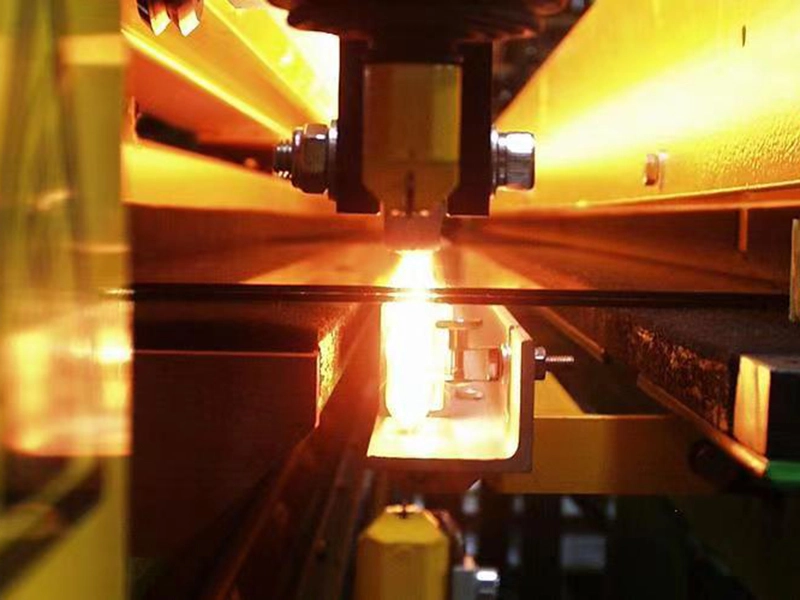
If you’ve ever run screen-printed glass through a tempering line, you know the struggle. It’s a constant tug-of-war. You need enough heat to bond that ink and get the glass ready for quenching. But push it too far? You’ll burn the pigment or warp the glass before it even hits the rollers. It’s a frustrating spot to be in. We handle this by using targeted infrared (IR) preheating lamps. Keeping the colors crisp The trick is getting the temperature to rise fast and evenly. We use shortwave IR lamps because they dive straight into the glass. This stops that annoying “skin effect” where the surface is scorching but the core is still cold. When the surface overheats, your ink starts to degrade. That’s how you end up with blurry edges or colors that just look… off. We set these lamps up to deliver a punch of heat in a small space. The glass hits the temperature it needs without the ink just soaking in heat for too long. The gear and the grit In the real world, we usually go with quartz halogen tubes. They’re tough. They can handle the shock of being cycled on and off rapidly without snapping. Depending on how fast your line is moving, you’ll have to tweak the wattage and voltage to get the ramp-up speed you want. Here’s the catch: high-wattage tubes are great for thick glass, but they’re hungry for power. You’ve got to make sure your wiring and contactors can handle that initial surge when they kick on. Also, keep an eye on your cooling fans. If the airflow gets blocked, those tubes will burn out way faster than they should. Strength without the sacrifice When you get the preheating right, the glass enters the furnace with a steady, consistent thermal profile. No wild swings in temperature. That means less internal stress. When it finally hits the quench, you get a better fragmentation index and a much stronger piece of glass. You get the structural toughness you need, and the print still looks sharp. Everyone wins.