How to Actually Heat Low-E Glass Without Breaking It
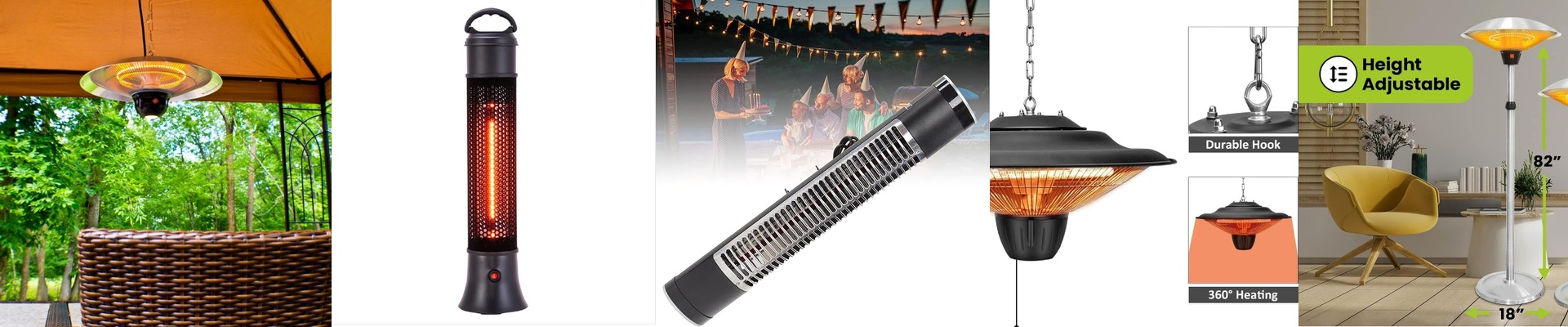
If you’ve ever tried to preheat wide-format Low-E glass, you know the nightmare. You’re trying to hit a precise temperature gradient so the glass doesn’t shatter during the thermal stress cutting process. It’s a tightrope walk. The real headache starts when your glass is wider than 3 meters. Most off-the-shelf infrared lamps just can’t handle it. You end up with these annoying “cold spots” at the seams where the lamps meet. That’s where the cracks happen. To fix this, we stopped using “standard” parts and started building custom, continuous heating units that cover the entire width of the oven in one go. Getting the heat right across 3 meters You can’t just string a bunch of small lamps together and hope for the best. That doesn’t work. Instead, we use long-form quartz tubes and get really specific with the wattage distribution. By tweaking the voltage and how the wire is coiled, we make sure the center doesn’t get scorched while the edges stay freezing. You need a lot of punch to get through that Low-E coating, but there’s a catch: your power supply and wiring have to be beefy enough to handle that load. If they aren’t, you’re just waiting for a terminal to burn out. The gear that actually lasts We use heavy-wall quartz glass. Why? Because when you’re dealing with these long spans, the mechanical stress is real. Depending on how much current we’re pulling, we go with R7s or SK15 connectors. And please, forget about those flimsy little clips. We use rigid mounting brackets. If a tube sags even a little bit, the heat radiation becomes uneven. And in this business, uneven heat equals broken glass. The reality of installing these things Here’s the thing: these units put out a massive amount of energy. You can’t just slide them into an old oven and call it a day. If your ventilation isn’t up to the task, that excess heat has nowhere to go. It’ll sit there and literally warp your oven frame. It’s a mess. We also build these as modular units. We’ve all been there—a tube eventually hits its end-of-life and dies. Instead of tearing down a whole 3-meter array and losing a full day of production, you just swap out the one bad tube and get back to work. It keeps things simple.