
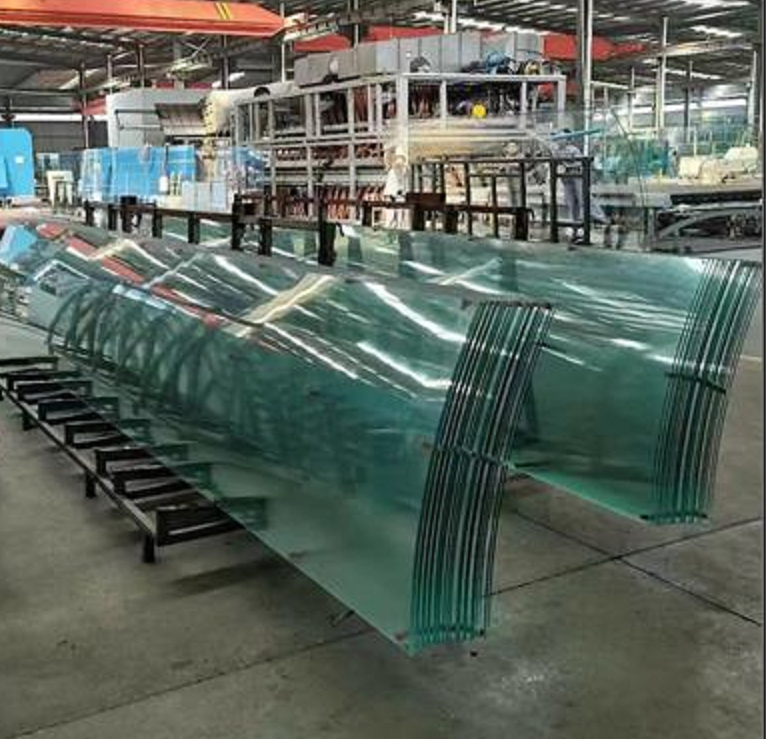
If you’ve ever tried cutting ultra-thick glass, you know the struggle. It’s brutal on the equipment. When that glass is cold and stiff, the cutting wheel has to practically fight the material to get a fracture started. The result? Your blades wear out fast, and you spend way too much time swapping them out. We found a better way. Instead of forcing it, we use high-penetration infrared (IR) lamps to soften the glass right along the cutting line before the wheel even touches the surface. Here is the trick: standard heaters just warm up the skin of the glass. That doesn’t do much for a thick slab. But shortwave IR radiation actually sinks deep into the material. It gets the molecules vibrating and lowers the viscosity. You aren’t melting the glass—that would be a disaster—but you are easing the internal tension. It creates a “soft zone” that lets the wheel slide through without all that mechanical resistance. To make this work, we use high-power density lamps. They’re set up in a focused array to hit a very narrow strip. This is important because if you heat the whole sheet, the glass expands, starts bowing, and you end up with cracks where you don’t want them. Now, it isn’t all plug-and-play. There are a few things to watch out for. These lamps pull a lot of power and get incredibly hot at the terminals. If your wiring or housing isn’t built for that kind of heat, you’re going to fry your connectors. Then there’s the distance. It’s a balancing act. If the lamp is too close, you’ll scorch the surface. Too far, and the heat won’t reach the bottom of the slab, leaving it too hard for the wheel to handle. But when you get the tuning just right? It’s a different experience. The wheel just glides. No more “chattering,” no more constant downtime. It just works.