Stop Fighting Your Furnace Footprint
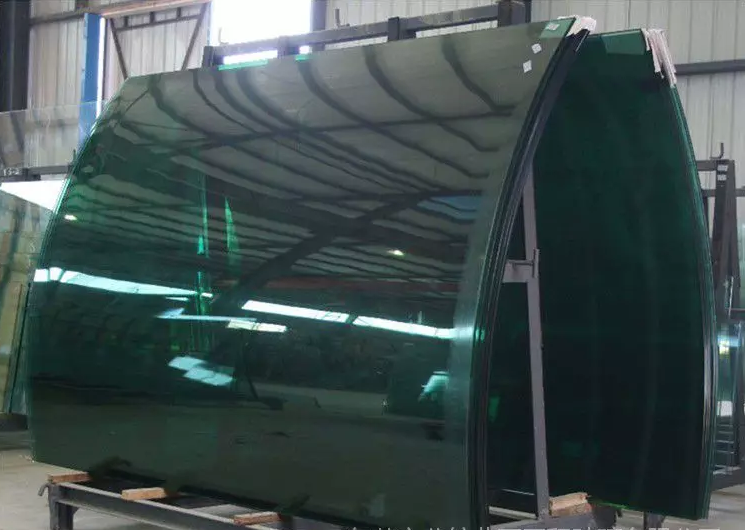
Let’s be honest: standard infrared lamps are great until they aren’t. The second you start working with a non-standard bending furnace or a weirdly shaped piece of glass, those off-the-shelf bulbs become a headache. They either don’t fit, or they leave these annoying “dead zones” where the glass just won’t heat up. It’s frustrating. You’re stuck choosing between a lamp that doesn’t fit or spending a fortune rebuilding your entire furnace frame. We think there’s a better way. Instead of forcing your machine to fit the bulb, we just make the bulb fit your machine. Getting the heat exactly where it needs to be In glass bending, the curve is everything. If your heat distribution is off, your quality is off. Now, when you’re working in a tight space, the temptation is to just shove the lamps closer to the glass. Don’t do that. You’ll end up scorching the surface. The trick is to use custom lengths and shapes. When the lamp actually matches the workpiece, the heat hits exactly where it should. No guesswork. No scorched glass. The trade-off (and what to watch out for) By tweaking the length, we can dial in the wattage and voltage to get the exact heat density you need. We use short-wave quartz elements because they ramp up fast. You get that immediate punch of heat that actually sinks into the material. But here is the catch: if you cram high wattage into a shorter, custom tube, your lamp holders are going to feel the heat. **Check your wiring.**Make sure your sockets and cables can handle the increased current density. If they can’t, you’re looking at burnt-out terminals, and nobody wants to deal with that mid-shift. Making it work in the real world The real beauty of custom shapes is that you can wrap the heating zones around irregular profiles. It kills those cold spots you usually get with rectangular arrays. Plus, it lets you use every square inch of your machine. Whether you’re building something from scratch or just need a drop-in replacement for an old rig, we make sure the electrical specs play nice with your current power supply. You get a uniform temperature across the bend line, and you stop wasting energy heating up the furnace walls.