How to Actually Get High-Density IR Heat into a Mobile Glass Repair Rig
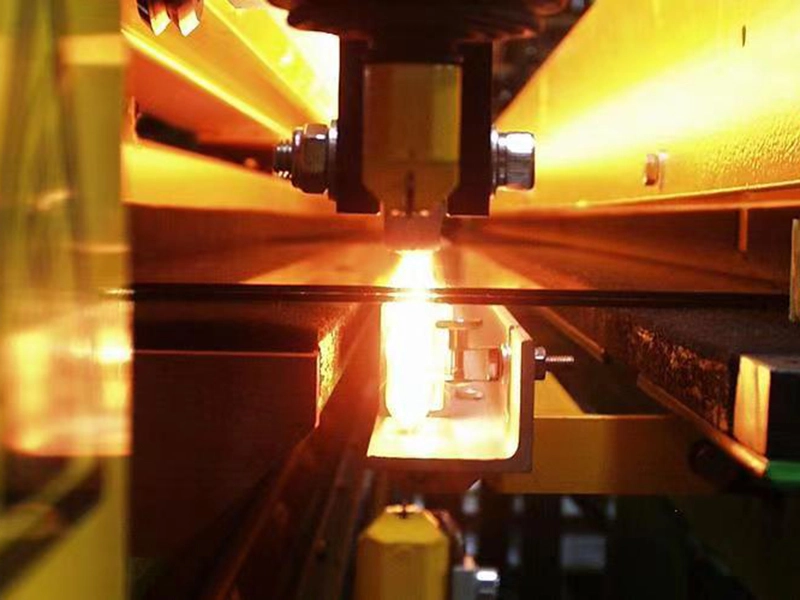
When you’re trying to squeeze a preheater into a mobile repair bracket, you’re basically fighting for every single millimeter. It’s a tight fit. If you’re working with thick glass, you can’t just “warm it up.” You need that heat to punch through deep and fast. Otherwise, the glass is going to crack the second you start cutting or pulling it. To pull that off without taking up half the workbench, we rely on shortwave infrared (SWIR). It hits those high temperatures quickly without needing a massive footprint. The struggle with power and space Here’s the thing: in a mobile setup, you don’t have room for long heating banks. You’re stuck with a tiny area, so we have to focus on the wattage-to-length ratio. We use high-wattage quartz halogen tubes. They basically cram a ton of energy into a very small spot. But there’s a catch. You have to play a balancing act with your power supply. If your voltage is low, we just bump up the filament density. It gets the lamp up to temp way faster, but be warned—it puts a lot more stress on your connectors. The hardware side of things We keep the connectors compact. Why? Because nobody wants to redesign their entire bracket just to fit a new heater. We want something you can just drop in and go. We stick with quartz glass because it doesn’t freak out when the temperature jumps up and down rapidly. Plus, we often coat the tubes. This shifts the light spectrum so the heat actually sinks into the glass instead of just scorching the surface. The “gotchas” you need to watch for Cramming that much heat into a small space creates a real problem: heat soak. The IR lamp does its job, sure. But the bracket holding it? It’s taking a beating. You can’t just wire this thing up and walk away. If you don’t use heat-resistant alloys or add some active cooling, your bracket is going to warp—or worse, you’re going to burn your hand. And if your cooling is too weak, your lamps won’t last. When the air around the seals gets too hot, the lifespan of the bulb just plummets. Simple as that.