Stopping Your Lab Glass From Shattering
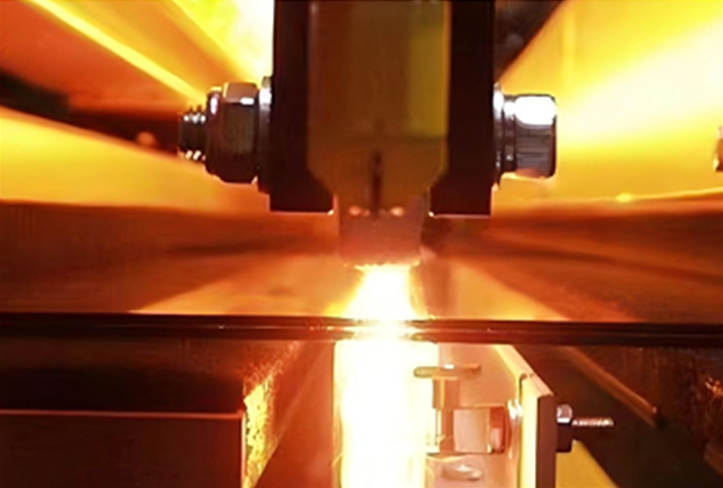
If you’ve ever had a piece of lab glass just… explode… you know exactly how frustrating it is. Usually, it comes down to internal stress. If your temperatures jump around while you’re annealing, the glass gets tense. And tense glass is a ticking time bomb. To stop that, we use infrared heating elements that hit a 0.1℃ precision. It sounds like a tiny number, but it’s the difference between a perfect flask and a pile of shards.
Why 0.1℃ Actually Matters
Most standard heating lamps are too jumpy. They swing back and forth. A 5℃ difference doesn’t sound like much, but it creates these uneven heat pockets in the glass. We pair our IR elements with high-speed PID controllers. Think of it like a dimmer switch that reacts instantly. By keeping that 0.1℃ tolerance, the molecular structure of the glass settles down evenly. You end up with a product that can actually handle a vacuum or a harsh chemical heat cycle without cracking.
Getting Heat Where It Belongs
There’s a real danger of the heat just sitting on the surface. If that happens, the outside “freezes” while the core is still roasting. We call it the skin effect, and it’s a nightmare for stability. Our wavelengths are picked specifically to punch through the glass wall. It heats the bulk of the material, not just the outer layer.
The Practical Stuff (and the Trade-offs)
Here’s the thing: if you’re hooking these units up to a CNC cutter or an oven, you need a clean power supply. Any “noise” or spikes in your electricity will throw off that precision. I’d suggest a dedicated stabilizer to keep your voltage flat. Also, keep in mind that these high-precision lamps run hot. They’re designed to pack a lot of heat into a small space. That means you can’t just shove them in a box. You need proper venting. If you don’t manage the heat around the terminals, you’ll fry your connectors. It’s a bit of a trade-off—you get incredible accuracy, but you’ve got to make sure your cooling fans are up to the task.