Why We Use Explosion-Proof Quartz for Heating
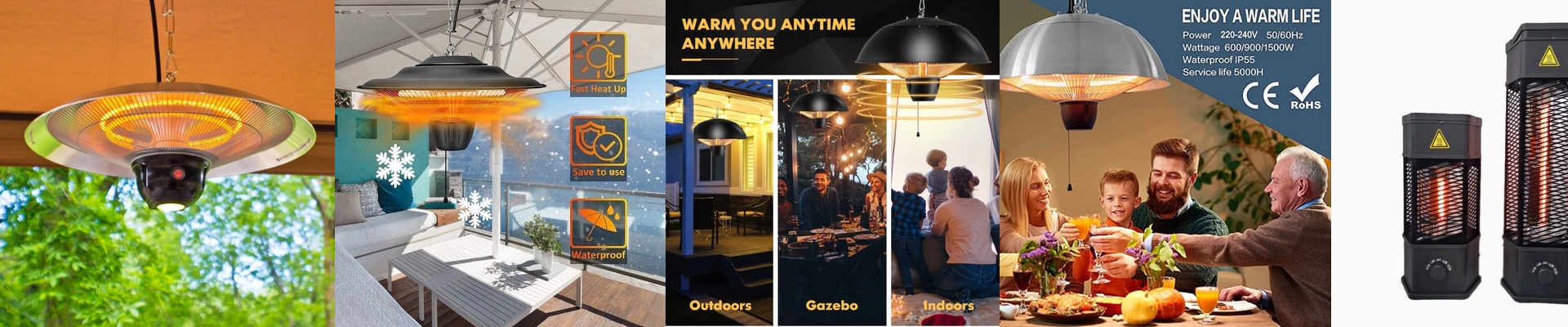
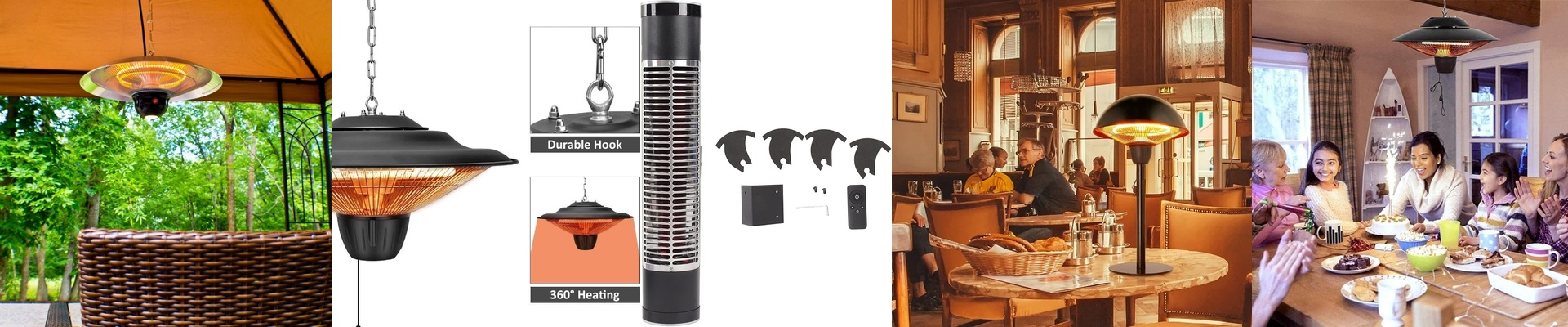
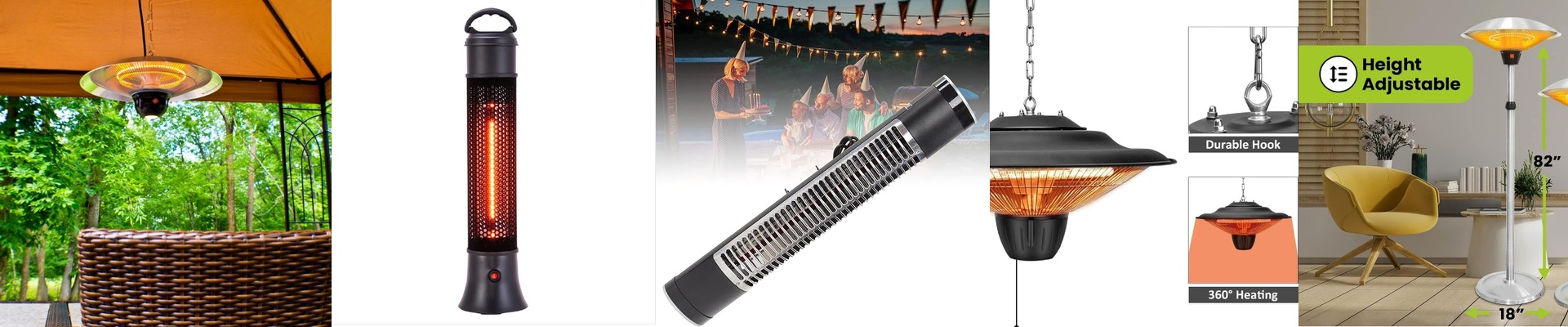
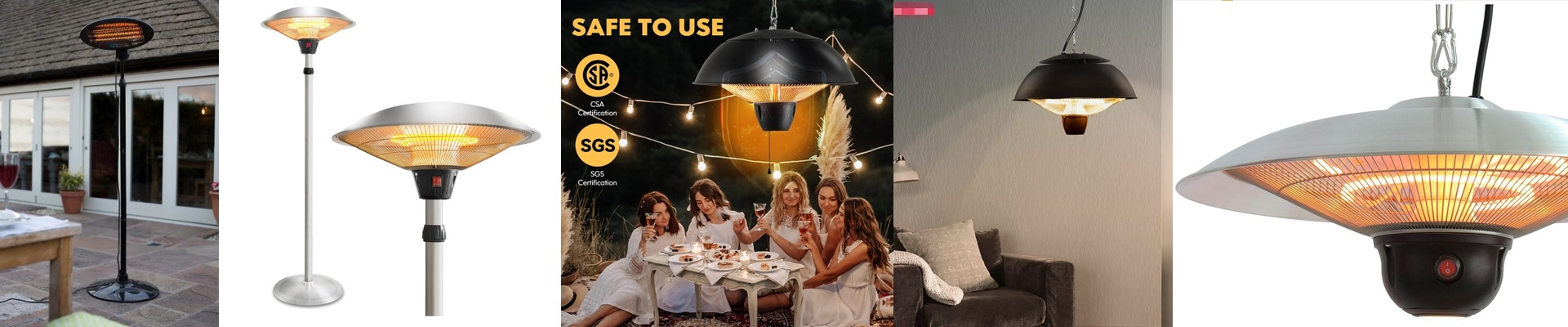
If you’re putting heating elements in a bathroom or out on a patio, you’ve probably thought about water. But the real enemy here isn’t just a leak—it’s thermal shock. Imagine a scorching hot lamp getting hit by a splash of cold water. With standard glass, that’s a recipe for an instant shatter. It’s messy and dangerous. That’s exactly why we stick with explosion-proof quartz tubing. The secret is in the material. Standard glass just can’t keep up when high-wattage infrared heat kicks in and then cools down. Quartz is different. It doesn’t freak out when the temperature spikes, so the tube stays solid. To make it “explosion-proof,” we add a protective layer or a special mesh. Think of it as a safety net. If the tube ever does fail, the mesh keeps the filament contained. It turns a potential disaster into a non-event. Dealing with the damp We all know water and electricity are a terrible mix, especially in a steamy shower. We seal the end-caps tight so moisture can’t sneak into the filament chamber. If a single drop of water hits that internal tungsten wire? Poof. Gone in seconds. Just make sure your housing has the right IP rating for where it’s going. It’ll save you a lot of headaches later. A few things to keep in mind Here’s the thing: infrared heat is amazing for that “instant warmth” feeling, but it’s hungry for power. If you’re lining a bar or a patio with these, double-check your circuits. These lamps pull a lot of current, and you don’t want to be tripping breakers every ten minutes. And one last tip? Quartz is tough, but it’s not bulletproof. A heavy object hitting the tube will still crack it. Put a guard over them. It’s a simple fix that keeps your gear from taking a beating.