Stopping Glass Edge Chipping with Short-Wave IR
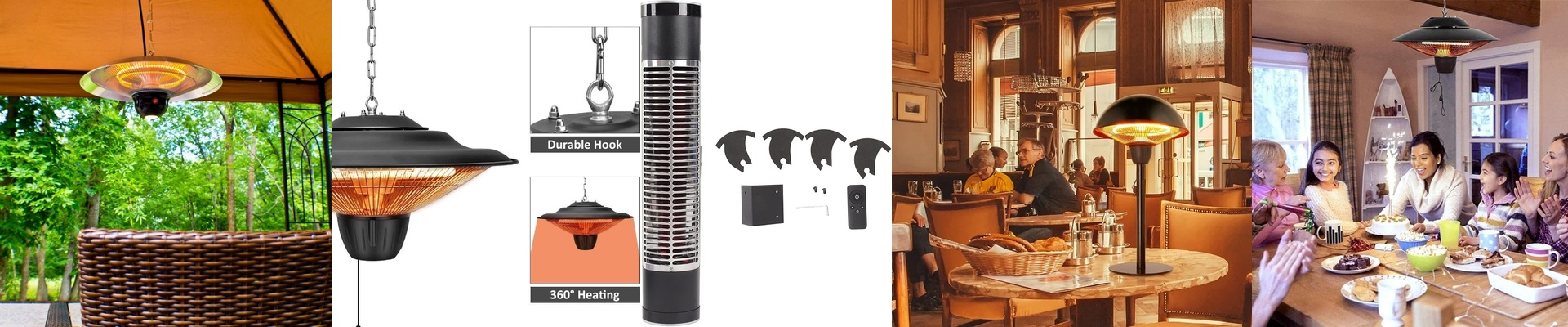
Cutting glass is basically a fight against tension. When that cutting wheel hits the surface, it creates a tiny, high-stress point. If the glass is cold, the crack doesn’t always follow the line. It jumps. It wanders. And that’s how you end up with those annoying jagged edges or “corner breakouts” that ruin a perfectly good sheet. We deal with this using short-wave infrared (SWIR) heating tubes. The idea is simple: we change how the glass reacts before you actually snap it. Why the heat matters Here is the thing about short-wave IR—it sinks into the glass much faster than other types of heat. By targeting the score line, we warm up the material just enough to make the structure a bit more “relaxed.” When the glass is warm, the crack travels in a straight, predictable line. It doesn’t freak out and veer off course. You get a clean snap instead of a messy shatter. The gear and the gotchas To make this work, you need a lot of power packed into a small space. We usually go with quartz-halogen elements because they hit the right temperature in a matter of seconds. But you have to be careful. If the glass sits under the lamps too long, it’ll overheat and warp. It’s all about that quick hit of heat. Also, a heads-up on the electrical side: these tubes pull a massive amount of current. If your wiring is cheap or under-rated, you’re going to fry your connectors. Don’t cut corners on the power supply. Getting it right on the line We set these tubes up right before the breaking point. You’re looking for a very specific “sweet spot” of temperature. Too cold? You’re still chipping. Too hot? You risk thermal shock if the room is chilly. It takes a bit of tweaking with the lamp distance and the conveyor speed to nail it. But once you find that balance, you stop throwing away scrap and start seeing clean, repeatable cuts every single time.