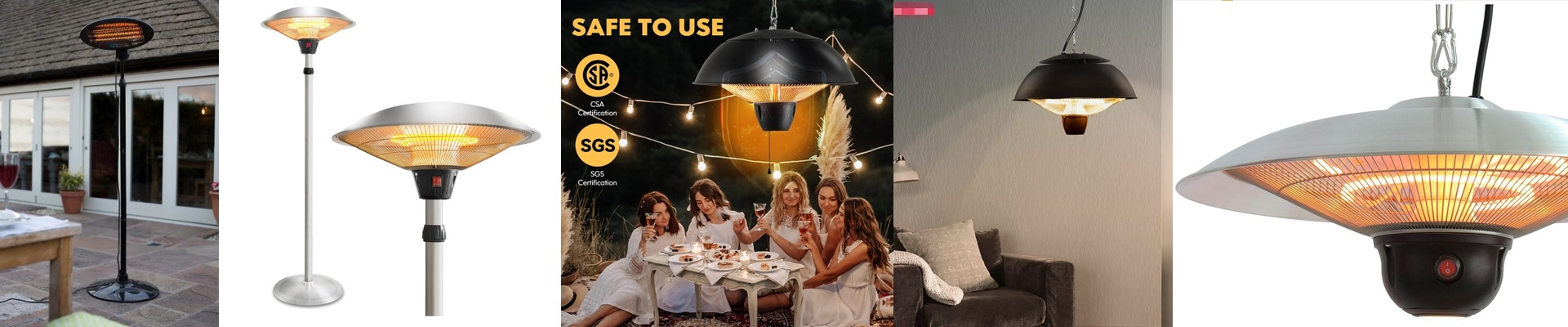
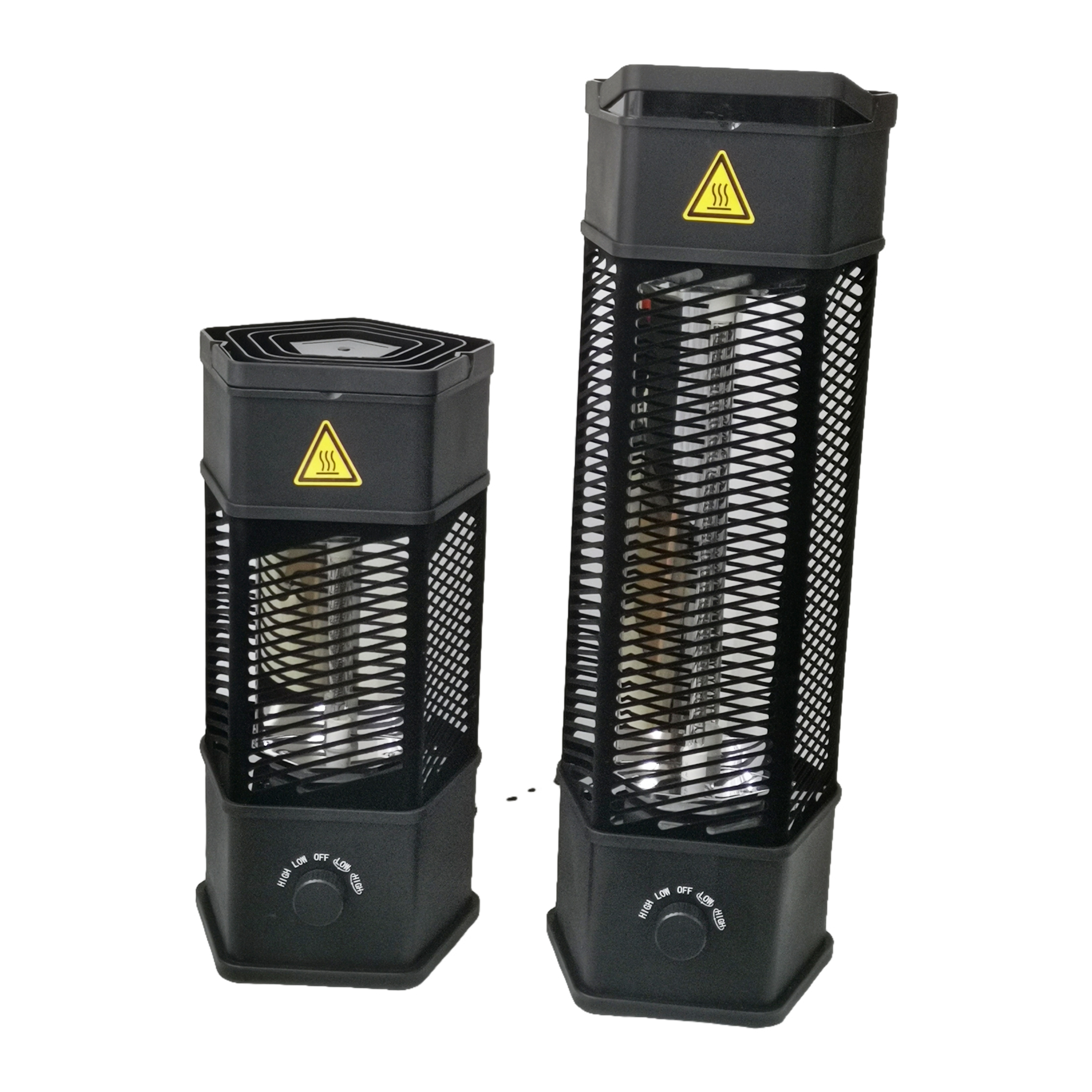
Keeping Infrared Lamps Safe in Damp Spaces
Let’s be honest: putting infrared heaters in a bathroom or a humid barn is a recipe for disaster if you aren’t careful. Water and electricity don’t get along. When moisture settles on your contacts, you’re looking at short circuits or “tracking,” and that’s a problem you don’t want to deal with. The secret to stopping this is all about how you house the lamp and seal those connections. The Housing Stuff Standard plastic just doesn’t cut it here. We’ve found that high-grade ceramics or reinforced polymers work way better because they don’t soak up water like a sponge. They stay insulating even when things get swampy. One thing to watch out for is the “creepage distance.” Basically, you need to make sure there’s enough physical space between the conductive parts so the electricity doesn’t decide to jump the gap and arc. Plugging the Leaks The spot where the wire meets the lamp is almost always where things go wrong. To stop moisture from sneaking in, we use IP65-rated sealed connectors or potted terminals. If you’re doing the wiring yourself, grab some heat-shrink tubing—the kind with the adhesive lining inside. It creates a tight, waterproof seal that stops water from being sucked into the socket. It’s a small detail, but it’s a lifesaver. The Trade-offs Here’s the catch. When you seal everything up tight to keep water out, the heat has nowhere to go. The inside of that socket can get seriously hot. Because of that, don’t even think about using standard PVC wiring. It’ll melt or crack in no time. Go with high-temperature silicone or PTFE cables instead. They can take the heat without breaking a sweat. And please, double-check your grounding. In a wet environment, a floating ground is just dangerous. Make sure every chassis is bonded to a real earth ground. That way, if a seal ever does fail, your breaker trips instantly instead of turning the whole outer casing into a live wire.